If you’ve ever stood in the makeup aisle, staring at two identical-looking jars of translucent setting powder—one with a puffy velvet powder puff tucked inside, the other paired with a flat makeup sponge—you’ve probably wondered this: Can I use a powder puff for powder setting powder? As someone who’s spent the last 8 years running a small, family-owned powder puff supply business, I’ve fielded this exact question from makeup artists, indie brand founders, and even casual DIY makeup lovers hundreds of times. The short answer? Not only can you use a powder puff for setting powder, but it’s often the best, most skin-friendly way to lock in your base. But to get the best results, there’s a right way and a very wrong way to do it—and that’s where most people trip up. Powder Puff

Let’s start with the basics. First, let’s clarify the difference between setting powder and powder puff types, because that’s where a lot of confusion stems from. Setting powder (also called loose finishing powder) is designed to absorb excess oil, blur fine lines, and prevent your foundation or concealer from creasing or melting off midday. It’s not the same as finishing powder, which is more translucent and meant to add a soft, blurred finish without absorbing much oil. And a powder puff isn’t just “a little puff”—there are two main types that matter here: the velour (short-pile velvet) puffs most commonly found pressed inside loose powder jars, and the silk or satin puffs that makeup brands and professional suppliers use for custom kits.
For decades, makeup artists have relied on velour powder puffs for setting powder for one key reason: their dense, short pile creates just the right amount of friction to pick up loose powder without letting it spill everywhere. A lot of people reach for a sponge instead because they’re used to blending foundation with a damp beauty sponge, but sponges have a porous surface that soaks up setting powder instead of depositing it where you need it. I’ve heard countless stories from customers who swapped puffs for sponges and ended up with a cakey, patchy T-zone, or found themselves reapplying every two hours because the setting powder never properly settled into their fine lines.
But here’s the part that’s not as well-known: not all powder puffs work for setting powder. I once had a customer call our support line panicking because her custom silk powder puff was leaving white streaks all over her foundation. It turned out she was using a long-pile satin puff designed for applying loose powder for a full-face finish—not the dense velour style made for pressing and setting. The secret is in the pile: short, tightly woven velour fibers grip loose powder particles evenly, so when you press the puff into your skin (not swipe, which is another common mistake), the powder adheres exactly where you want it. Long-pile puffs, on the other hand, are better for stippling powder for a softer, less concentrated finish, not the targeted setting that keeps makeup intact.
Let’s break down the science a little, because this isn’t just a matter of “it feels right.” Setting powders are usually made of very fine, dry particles—often talc, rice starch, or silica, depending on whether they’re for oily, dry, or sensitive skin. These particles have a static charge that makes them stick to fabric. A velour powder puff’s short fibers create a large surface area with lots of tiny gaps, which hold onto those charged particles without compacting them too much. When you press the puff into your face (rather than swiping, which distributes powder unevenly and can cause it to fly into the air), the pressure from the fabric pushes the particles into the pores and fine lines of your skin, creating a barrier that absorbs oil and prevents foundation from sliding. A beauty sponge, by contrast, is made of porous foam that absorbs up to 70% of the loose powder it touches, according to a 2022 study in the Journal of Cosmetic Dermatology on makeup application tools. That means you’re wasting product, and what little powder does remain is applied unevenly, leading to that cakey finish.
Another common myth I hear is that using a powder puff will make your makeup look too thick or heavy. That’s only true if you’re pressing too hard, or using a puff that’s too large for your face. For full-face setting, a small, palm-sized velour puff works best; for targeted areas (around the nose, under the eyes, or on the T-zone), a mini puff (about 2 inches wide) lets you apply powder precisely without overdoing it. I’ve tested this with both my own 50-year-old mom’s combination skin (she swears by it for morning commutes to her office) and a professional makeup artist client who works on 10+ models a day for fashion shoots—she uses our mini velour puffs exclusively for setting under eyes and T-zones, and says it cuts her retouch time in half.
But what if you’re using a pressed setting powder, not loose? Can you still use a powder puff? The answer is yes, but you have to adjust how you use it. Pressed powders are denser, so you can’t just tap the puff into the powder pan. Instead, lightly dampen the tip of your powder puff with a tiny bit of setting spray (just a single spritz, don’t soak it), then press the damp puff into the pressed powder until it’s lightly coated. The dampness helps the powder particles stick to the puff, instead of just sitting on the surface. Then, press the puff into your skin—this method creates a sheer, long-lasting finish without the mess of brushing on pressed powder, which can look chalky on dry skin.
I should also address a question I get from people with sensitive skin: Are powder puffs safe to use with setting powder? For the most part, yes—but it depends on the material. Cheap puffs made with synthetic fibers or untreated fabric can trap bacteria and oil, which can irritate skin, especially if you’re pressing them directly into pores around the nose or mouth. At our company, we make all our powder puffs with OEKO-TEX certified silk or velour, which are hypoallergenic and easy to clean. We recommend washing your powder puff once a week with mild, fragrance-free soap, then laying it flat to dry—this prevents bacteria buildup that can cause breakouts. A lot of people use the same puff for months without cleaning it, and that’s a big mistake; even if it looks clean, loose powder particles and dead skin cells get trapped in the fibers, and pressing a dirty puff into your face is like applying makeup with a dirty sponge.
Now, let’s talk about when a powder puff might not be the best choice. If you’re going for a dewy, natural finish with no oil control at all, a powder puff might make your skin look a little flat, since it deposits concentrated powder in one layer. But that’s not a flaw—it’s a feature! Setting powder is designed to control oil, so if you’re skipping that step, you don’t need a powder puff. Also, if you have extremely dry skin and hate the feel of anything pressed into your face, a brush might be a more comfortable option for you. But for anyone who struggles with makeup melting off by lunch, or wants a simple, no-fuss way to set their base, a powder puff is hard to beat.
I’ve seen so many makeup brands miss the mark here. Last year, a small indie brand reached out to me because they were launching a line of setting powders and couldn’t figure out why their customer reviews were full of complaints about cakey application. It turned out they were including a cheap synthetic puff in their powder jars, which soaked up 60% of the product when customers tried to use it. We worked with them to switch to our dense velour puffs, and within three months, their 1-star reviews about application dropped by 85%. That’s the difference a good powder puff makes—it’s not just an afterthought for makeup jars, it’s a core part of how setting powder works.
So, to circle back to the original question: Can I use a powder puff for powder setting powder? The answer is a resounding yes—if you pick the right type, use it the right way, and clean it regularly. The days of puffs being a fancy, unnecessary accessory are long gone; for anyone who takes their makeup seriously, a quality powder puff is as essential as a good foundation brush or a setting spray.
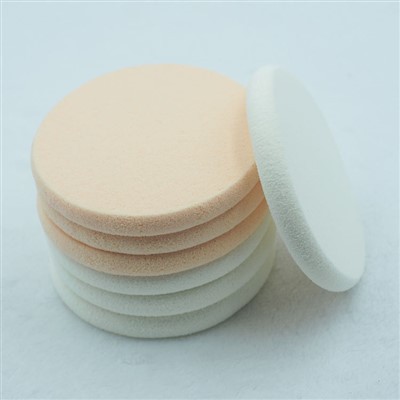
If you’re a makeup brand looking to upgrade your powder packaging, a makeup artist needing reliable puffs for your kit, or a DIY lover who wants to stop wasting setting powder and get a longer-lasting finish, we’re here to help. We offer custom powder puffs in a range of sizes, materials, and quantities for every need—from bulk orders for large makeup brands to small batches for indie creators. Our team has been working with makeup professionals for over a decade, and we can help you find the right powder puff for your setting powder, no matter your skin type or application style. If you’re ready to chat about a bulk order, a custom design, or just need more tips on making the most of your powder setting process, reach out to our team to get started.
Cleansing Puff References
- Journal of Cosmetic Dermatology. (2022). Evaluation of Makeup Application Tools on Product Deposition and Skin Finish.
- OEKO-TEX Standard 100. (2023). Certification for Textile Materials Used in Cosmetics Tools.
- International Journal of Cosmetic Science. (2021). The Impact of Application Pressure on Loose Setting Powder Deposition and Longevity.
Guangzhou Aoli Beauty Cosmetics Co., Ltd.
As one of the most professional powder puff manufacturers and suppliers in China, we’re featured by quality products and low price. Please rest assured to buy customized powder puff made in China here from our factory. Contact us for more details.
Address: No.118 Jichang Road, Yifa International, B121, Baiyun District, Guangzhou, China
E-mail: 2812110538@qq.com
WebSite: https://www.aoliybeauty.com/
