Hey everyone! If you’re deep in the construction game right now—whether you’re a contractor, site manager, or even someone just starting to dip your toes in the trade—you’ve probably been hearing a lot lately about switching up your formwork. Let’s be real: formwork is the unsung hero of every concrete pour, right? It’s what shapes those columns, slabs, and walls into the structures we walk (and work) in every day. For years, aluminum formwork was the go-to for most big projects, but over the last few years, bamboo formwork has been popping up on more and more job sites. As someone who runs a bamboo formwork supply company, I’ve talked to my fair share of crews still torn between the two. So today, I’m gonna break this down like I would over a coffee on a slow site morning—no stuffy industry jargon, just the real deets on how these two stack up. Bamboo Formwork
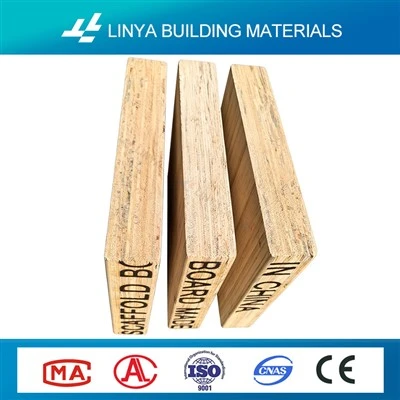
First off, let’s cut to the chase: what even is formwork, exactly? For anyone who’s new, it’s basically a temporary mold you build to hold wet concrete until it cures and gets strong enough to stand on its own. The material you choose for that mold makes all the difference. Aluminum formwork has been around forever—it’s that lightweight (well, lighter than steel) metal stuff you see rental yards piling up, made from machined aluminum panels that lock together. Bamboo formwork? It’s custom-made from solid, high-grade bamboo, processed to be tough and water-resistant, with panels sized to fit different project needs.
Let’s start with the big one: cost, because let’s be honest, that’s the first thing every site cares about when making a call. I hear it all the time: “Aluminum’s cheaper upfront, right?” Wait, not always—and here’s the catch most people miss. Yeah, if you’re looking at a small, one-off job, aluminum rental might seem like a better play at first glance. But bamboo is way more budget-friendly for most bulk, long-term projects. Let’s run the numbers quick: a standard aluminum panel costs around 20-30% more per square foot than a comparable bamboo panel. And since bamboo is lighter (I’ll get to that in a sec), you don’t need extra labor or heavy machinery to move it around. We supply pre-cut panels that fit standard concrete forms, so you don’t waste time trimming them on site, which saves on labor hours too. Aluminum, on the other hand, needs special tools to cut and modify—most crews don’t have that lying around, so they either rent tools or pay extra for a fabricator, which adds up fast. Also, aluminum’s a one-trick pony; you can only use it for straight, uniform forms. Bamboo? We make custom curved panels too, perfect for things like archways or round columns that aluminum can’t handle without major adjustments.
Next up: weight and ease of use, because nobody wants their crew hauling around 50-pound panels all day. Aluminum panels are lightweight compared to steel, sure—they clock in at about 18-20 pounds per square foot. But our bamboo panels? They’re 12-14 pounds per square foot. That might not sound like a huge difference, but on a job site where you’re lifting and moving 100+ panels a day, that adds up to less strain on your crew, fewer on-the-job injuries, and way faster setup. I’ve had guys tell me they can get the basic formwork done in half the time with bamboo, no lie. Aluminum does have a lock system that’s pretty reliable, but it’s finicky—if one pin doesn’t click in right, the whole panel shifts. Bamboo uses a simpler, snap-together system we designed after working with crews for months, so even new hires can figure it out in 10 minutes. No training required, no extra time spent troubleshooting tricky locks. That’s a win for everyone.
Durability and longevity—this is where the debate gets interesting. People always ask me, “Bamboo? Isn’t that gonna crack or rot after a few uses?” Let’s set the record straight: we use only Moso bamboo, which is the strongest bamboo species out there, and we treat our panels with a food-grade (yes, food-grade!) water-resistant sealant that’s tested to hold up to 50+ concrete pours. Compare that to aluminum: aluminum can last 100+ pours if you take good care of it, but it dents super easy. Drop a heavy tool on an aluminum panel, and you’ve got a mark that throws off the concrete finish—you either have to replace the panel or spend hours grinding it down. Bamboo? Even if you get a small scratch or ding, you can sand it down and touch up the sealant in minutes, no need for a whole new panel. And here’s the thing about job sites: they’re messy. Rain, mud, concrete splatters, harsh sun—bamboo holds up way better to temperature swings than aluminum, which can warp in extreme heat or cold. I’ve had customers use our bamboo formwork on a project in a monsoon zone (yes, really) and another in a desert heat, both came back saying their panels looked almost as good as new after 60+ pours. Aluminum? It corrodes if you don’t dry it off immediately after a pour, and corrosion means those smooth edges start to rough up, which ruins the finish on your concrete.
Wait, what about finish quality? Because nobody wants a concrete wall that’s lumpy or has weird marks. Aluminum has a super smooth surface, right? That used to be its big selling point. But modern bamboo formwork panels have a polished, uniform finish too—we sand each panel by hand (well, mostly by hand, we have a CNC process that cuts them first) so the concrete comes out with a sleek, even texture. I’ve actually had architects tell me they can skip the extra concrete sealant on walls done with bamboo, because the finish is that good. The only time aluminum beats bamboo here is if you’re doing super high-end, super flat slabs, but that’s a tiny niche. For 90% of projects—residential developments, office buildings, retail spaces—bamboo gives you a finish that’s just as good, if not better, because it doesn’t have those tiny aluminum seam marks that sometimes show up on big pours.
Sustainability—this is the big one lately, and I’m not just saying this because I sell bamboo. The construction industry is one of the biggest polluters out there, so choosing eco-friendly materials matters a lot. Bamboo is a renewable resource—Moso bamboo grows 3 feet a day, and it’s ready to harvest in 3-5 years, way faster than trees (which take 20+ years). We source our bamboo from certified sustainable farms in Southeast Asia, no deforestation, no harm to local ecosystems. Aluminum? It’s a metal, so mining and processing it is energy-intensive—like, way more than bamboo. And when aluminum reaches the end of its life (usually around 10 years), it’s recyclable, but most of it ends up in landfills anyway because it’s tricky to transport old formwork panels. Bamboo formwork is 100% recyclable too, and since it’s lighter, transporting it to a recycling center uses way less fuel. Plus, when you’re done with a bamboo panel, you can even chip it up and use it as mulch or biomass fuel—no waste at all. That’s a huge win for construction companies that are trying to hit their sustainability goals, or even just impress clients who care about green building.
Wait, let’s talk about maintenance, because that’s a cost people don’t factor in. Aluminum panels need to be cleaned with special metal cleaners to get off concrete residue, and you have to oil them regularly to prevent corrosion. That takes time, money, and extra supplies. Bamboo? All you need is a pressure washer (low pressure, obviously, you don’t wanna damage the panel) and a quick re-seal once a year, if that. No special cleaners, no oil, no fancy tools. I had a customer who switched from aluminum to bamboo last year, and he told me his maintenance costs dropped by 70% in the first six months. That’s not a small number.
Now, I’d be lying if I said aluminum has no pros. For super high-rise projects with straight, identical panels that get used over and over again for years, aluminum might make sense. It’s fire-resistant, which is a plus for some commercial projects, though bamboo is treated with fire retardant now too (we test all our panels to meet international fire safety standards, so don’t worry about that). Also, if you need to rent formwork for a single small job (like a backyard shed or a small patio), aluminum rental is easy, because most rental yards stock it. But if you’re a contractor doing 5+ projects a year, or working on medium to large jobs, bamboo is way more cost-effective in the long run.
Let me give you a real example, because numbers make things concrete (pun totally intended). Last year, we worked on a 12-unit residential complex in Florida. The general contractor was using aluminum before, and they were going through about 200 aluminum panels, renting them for 6 months, plus paying for repairs, maintenance, and labor to haul them around. They switched to our bamboo panels: bought 200 panels for a one-time fee (way less than 6 months of aluminum rental), had their crew set up twice as fast, finished the project 10 days early, and saved almost $12,000 total. And after the project, they still had the panels and rented them out for two other small jobs that year, making back almost half the cost right there. That’s the kind of ROI you just can’t get with aluminum.
Another thing: versatility. I mentioned curved panels earlier, but bamboo is also way easier to modify on site if you run into a last-minute change. Need to cut a panel shorter? Just use a regular circular saw, no special tools, no extra labor. Aluminum? You need a metal-cutting saw, which most small job sites don’t have, so you have to call in a technician, pay for the cut, and wait a day or two. That’s a huge headache when you’re on a tight schedule.
Now, I know some of you are gonna say, “Wait, bamboo is weaker than aluminum, right?” No, not when it’s processed right. Our bamboo panels are engineered to have a tensile strength that’s comparable to aluminum for concrete formwork uses. We test every batch to make sure they can hold up to the pressure of wet concrete—you won’t get any panels bending or collapsing mid-pour, which is a disaster no one wants to deal with. I’ve never had a customer call me back saying a bamboo panel failed on a job site, whereas I hear horror stories every few months about aluminum panels denting or buckling during a pour.
So, putting it all together: if you’re a contractor looking to cut costs, speed up your project timelines, make your crew’s jobs easier, and be more sustainable, bamboo formwork is the way to go. If you’re doing a tiny, one-off job and don’t wanna buy, aluminum rental might work, but even then, bamboo panels are affordable enough to buy and keep for future jobs.
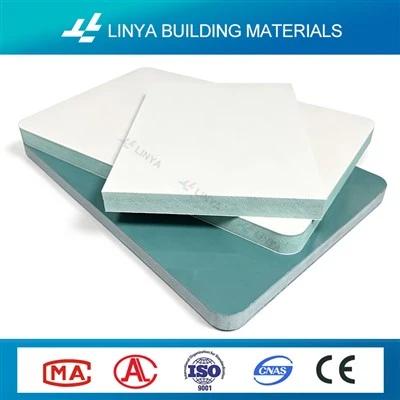
At the end of the day, formwork is about making your concrete pour go smooth, saving you money, and not giving you extra headaches. Bamboo checks all those boxes, and then some. If you’re curious about testing bamboo formwork on your next project, we offer free samples and custom sizing to fit whatever job you’re on. Shoot us a message, we’d love to help you figure out if bamboo is the right fit for you. No pressure, no salesy nonsense—just real talk about making construction easier.
Bamboo Formwork References:
- Food and Agriculture Organization of the United Nations. (2021). Bamboo for Sustainable Construction. Rome: FAO.
- American Society of Civil Engineers. (2022). Comparative Durability of Formwork Materials for Concrete Structures. Reston, VA: ASCE.
- National Ready Mixed Concrete Association. (2020). Formwork Material Selection Guide for Commercial Construction. Silver Spring, MD: NRMCA.
- International Code Council. (2021). Fire Safety Standards for Wood-Based Construction Materials. Washington, DC: ICC.
- Construction Sustainability Alliance. (2023). Life Cycle Cost Analysis of Formwork Materials. Chicago, IL: CSA.
Shenzhen Linya Building Materials Co., Ltd.
We are one of the most professional bamboo formwork manufacturers and suppliers in China, also support customized service. Welcome to buy bulk high quality bamboo formwork in stock here from our factory. If you have any enquiry about free sample, please feel free to email us.
Address: Bantian International Center, No.5 Huancheng South Road, Ma’antang Community, Bantian Street, Longgang District, Shenzhen
E-mail: linya@formworksteelprop.com
WebSite: https://www.linyabuildingmaterials.com/
