Hey everyone, it’s Jake here—one of the guys who’s been selling acoustic wall panels for over 8 years now. Lately, I’ve been getting so many questions from contractors, office managers, even a few home theater enthusiasts, and the top one’s always the same: “How the hell do these panels actually work in a room with super high ceilings?” Acoustic Wall Panel
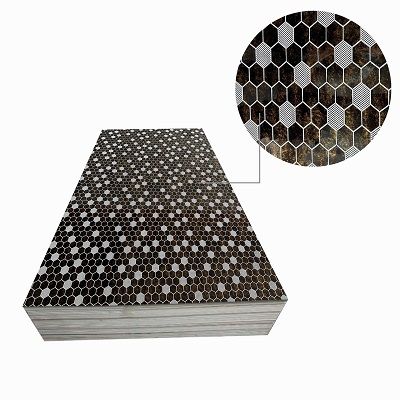
You know the type of room I’m talking about, right? Those big, open spaces with vaulted ceilings that make even a casual conversation echo like you’re standing in an empty warehouse. Maybe it’s a 20-foot tall co-working space, a church sanctuary’s meeting area, a recording studio’s vocal booth, or even a fancy living room with a soaring foyer. High ceilings sound amazing for light and space, but they’re a total nightmare for sound—nothing sticks around, words get muddled, music sounds muddy, and you end up yelling just to be heard across the room.
I’ve worked on so many of these projects, and let me tell you, acoustic panels aren’t just some pretty fabric-covered foam you hang on walls (don’t get me wrong, some foam works for tiny closets, but not these spaces). Let’s break this down like I’m explaining it to my cousin who fixes ACs—no stuffy jargon, just real talk from someone who’s installed enough panels to know what actually works.
First, let’s get one basic physics thing straight that most people (and even some sales guys) get wrong: sound in a room with high ceilings doesn’t behave the same as it does in a normal 8-foot room. In a standard room, sound bounces off all four walls, the floor, and the ceiling, and those bounces (called “reverberation”) die down pretty fast. But in a high-ceiling room? That ceiling is like a giant echo machine. Sound waves travel way farther before they hit something, so reverberation lasts way longer—like, 2 seconds or more, compared to 0.5 seconds in a small bedroom. If you have a high-ceiling space with hard, reflective walls (drywall, glass, tile), that reverberation turns into a total mess. People talk over each other because they can’t hear their own words clearly, music loses its warmth, and video calls sound like you’re in a tunnel.
Acoustic wall panels fix this by absorbing those sound waves before they bounce back and clutter the room. But not all panels absorb the same—especially in high-ceiling spaces, which have a lot of low-frequency sound (the deep rumbles of conversation, bass from music, that echoey boom when you clap). Most cheap foam panels only handle high frequencies (high-pitched stuff like voices and bird sounds), which is why they don’t do jack in big rooms. The good panels we sell are made with dense, porous core materials—think mineral wool, fiberglass, or even recycled cotton—that trap sound waves, not just reflect them back.
Wait, let’s make that absorption part make sense. Sound is just waves of pressure moving through air, right? When a sound wave hits a porous panel, it has to squeeze through all those tiny little holes in the core material. As it moves through, the air in those holes rubs against the fibers of the core, turning that sound energy into tiny amounts of heat. The weaker the sound wave gets as it passes through, the less echo there is. For high-ceiling rooms, we make sure our panels have a thick enough core (usually 2 inches or more, sometimes 4 inches for the super bass-heavy spaces) to catch those big low-frequency waves that would otherwise bounce off the ceiling and amplify the echo.
Now, here’s the part no one talks about: high ceilings aren’t just about the walls. The ceiling itself is the biggest offender, but it’s almost always out of reach for wall panels. Wait, so how do we get the panels to work their magic when the main echo source is 20 feet up? It’s all about placement. I’ve had clients try sticking a few random panels on one wall and wonder why it didn’t help—spoilers: that’s not how it works. In a high-ceiling room, you have to target the areas where sound bounces the most, which are the upper sections of the walls, right below the ceiling. Sound waves go straight up after leaving a speaker or a person’s mouth, so hitting that upper wall section with panels catches the echo before it has a chance to reach the ceiling and bounce back.
I learned this the hard way a few years ago on a project for a co-working space with 22-foot ceilings. The first plan the client had was to put one 8-foot long panel per wall—total mistake. The panels were too low, catching the sound after it had already bounced off the ceiling. We reworked it: we installed half our panels in the upper third of each wall, 18 inches below the ceiling, and the other half in the mid-section of the walls where people actually talk. The difference was night and day—conversations across the room got way clearer, and when they played a podcast in the common area, it didn’t echo so bad that you could hear it in the private phone booths.
Another trick for high ceilings: avoid covering the entire wall with panels. You don’t want to make the room sound dead—you still want that warm, open feel, just no echo. Think of it like a puzzle: you place panels in key spots to break up the sound path, not cover every inch. For churches with super high sanctuary ceilings, we often do a mix of wall panels and smaller “cloud panels” that hang from the ceiling (those work great too, but they’re a different product). Wait, but today we’re talking about wall panels, so let’s stay on topic—wall panels should be placed in patterns, not solid blocks, so the room still has that spacious vibe.
Let’s also bust a myth: you don’t need 100% of the wall covered to fix the echo. For a high-ceiling room, the sweet spot is usually covering about 20-30% of the wall area, split between upper and mid sections. If you have a smaller high-ceiling room, like a home theater with 12-foot ceilings, you might go a bit higher, but same logic. And for commercial spaces like conference rooms with glass walls (super reflective), you’ll want to cover more of the lower walls too, since glass bounces more high-frequency sound.
Wait, what about different uses? Let’s take recording studios—most home studios have 10-15 foot ceilings, and the big problem is vocal echo. We usually install our thick, dense panels on the front wall (where the mic is) and the back wall, plus upper wall sections to catch the ceiling bounce. That makes vocals sound crisp, not echoey. For offices, it’s all about speech intelligibility—so panels on the walls above desks, not just in the conference room, to keep hallways from being noisy and meetings from echoing. For home foyers with high ceilings, we do smaller, decorative panels (hey, they don’t have to be ugly!) on the upper walls so the space feels open but no longer makes your voice sound like it’s in a cave.
I get why people get confused—there’s so much noise (pun intended) about acoustic products online, and a lot of them just don’t work in high-ceiling rooms. The key takeaway is that high ceilings create extra-long reverberation times, and you need panels that can absorb both high and low frequencies, placed strategically on the upper walls to catch the sound before it hits that big echo ceiling.
Let’s be real, I’m not here to sell you something you don’t need. If you have a low-ceiling closet, these panels are overkill. But if you’re staring at that soaring ceiling and wondering how to make the room actually usable without closing it in, acoustic wall panels are your answer. We’ve done everything from boutique cafes with 18-foot ceilings to municipal libraries with 25-foot ceilings, and every time, the right panel placement makes a world of difference.
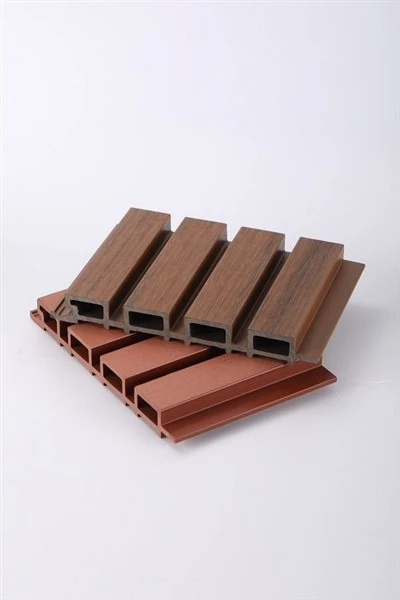
If you’re currently dealing with a high-ceiling room that’s too echoey, or you’re planning a project and not sure where to start, hit me up to chat through what you need. No pushy sales talk, no confusing terms—just real advice from someone who’s been doing this for years and knows what works.
WPC Wall Panel References
- Beranek, L. L. (1986). Acoustics: Sound Fields and Transducers. Academic Press.
- Cox, T. J., & D’Antonio, P. (2016). Acoustic Absorbers and Diffusers: Theory, Design and Application. Taylor & Francis.
- Environment Protection Agency. (2021). Indoor Air Quality Tools for Schools: Sound Control in Educational Spaces. U.S. EPA.
Shandong Fanjie International Trade Co., Ltd.
As one of the most professional acoustic wall panel manufacturers in China, we have world-leading production equipment and strong manufacturing capabilities. Please feel free to buy bulk high quality acoustic wall panel from our factory. We also accept customized orders.
Address: L4-015 Cross border E-commerce Entrepreneurship Park, Lanshan District, Linyi City, Shandong Province
E-mail: info@lsdec.com
WebSite: https://www.fanzeradecor.com/
