Hey there, I’m Jake, and for the last 7 years, I’ve been designing, testing, and selling cabinet door locks for small retail shops, home renovation companies, and even big office warehouse operations. One question I get almost every week—maybe even every day—isn’t “How do I pick a good lock?” It’s way more specific: “Can I build my own master key system for these cabinet locks?” Cabinet Door Lock
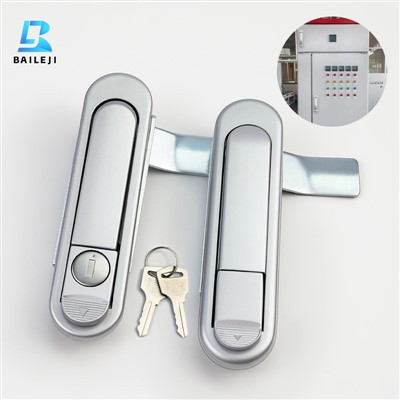
At first, I’ll be honest, I’d laugh a little and think, “That’s a project for someone who’s got way too much free time.” But lately, after getting 12 of those questions in a single day last month, I started digging into this. Let’s get one thing straight right out the gate: it’s possible, but it’s not like slapping new stickers on your laptop or re-pairing your AirPods. If you mess it up, you’re either going to lock your own storage closet and lose $1k worth of inventory, or have a random part-time cleaner walking into your back office because you cut corners. And as a lock supplier, I’ve seen way too many DIY guys come back to me with broken locks or a mess of keys that don’t work right. I want to walk you through what actually works (what I’ve tested on our own supply), what’s a total waste of time, and when you’re better off just buying a pre-made master key set from someone who knows what they’re doing.
First, let’s get what a master key system actually is. No jargon, I promise. Let’s say you run a small coffee shop (I see this all the time with our commercial cabinet clients). You have 4 different cabinets: one for espresso beans, one for cleaning supplies, one for cash tips, and one that holds the safe key. Normally, you’d need 4 separate keys for each cabinet. A master key system? That means you have two sets of keys: a “user key” that only opens its own cabinet, and one single master key that opens every single one of those 4. Oh, and sometimes you need a grand master that opens every lock you own across the whole company—like if you have 10 stores. That’s the basic idea. The whole point is to cut down on the number of keys you carry (I’ve seen a barista with 6 different keys on a keychain, it’s ridiculous) while still keeping stuff secure.
Now, can you do this with standard cabinet locks? Wait—hold on—are we talking about the tiny little deadbolts on kitchen cabinets, or the heavy-duty, high-security ones for commercial use? That’s a huge difference. The cheap, $2 ones you buy at the hardware store for your bathroom cabinets? Don’t even try. Those are made with super basic pins that are easy to pick, and they don’t have the compatibility needed for a master key. But if you’re using mid-range or commercial-grade cabinet locks? Yeah, that’s totally doable. I’ve helped a guy who runs a custom gym with our medium-duty cabinet locks set up a master key system for his supplement storage, staff lockers, and the front desk safe—no fancy tools, no locksmith degree. Let’s break down how that actually works.
First, you need to know your lock’s keyway. The keyway is the little shape hole in the lock where the key goes in. Our cabinet locks use a standard 5-pin keyway for most mid-range models, which is perfect for master keying. If you have some random off-brand lock, it might use a custom keyway that no one else works with, so that’s a no-go. You also need to make sure all your locks are keyed to the same “pin height” range. Wait, what’s a pin? Inside every pin tumbler lock, there are 5 tiny metal pins, each a different length. When you insert a key, each pin lines up exactly at the “shear line” of the lock— that’s how it turns. For a master key system, you just adjust those pin heights so one key lines all of them up, and the user key lines up its own set.
Here’s the DIY step-by-step, the stuff I’ve tested with our own lock inventory, not some random blog post:
- First, order the exact number of locks you need, all the same model, same keyway. Don’t mix and match even from the same brand—we’ve had two locks from the same batch work different pin heights before. Ask your supplier (that’s me, hey) for “key blanks” that match your new locks. For our mid-range cabinet locks, they’re standard Kwikset or Schlage key blanks, so you can pick them up at any hardware store, no special order needed.
- Grab a pinning kit. You can get these on Amazon for like $15, and they come with all sizes of metal pins, a tiny screwdriver, and a pin puller. Super basic, no fancy tools.
- Start with one “master key” blank. You’re going to file the tips of this key so that when you insert it into any lock, all 5 pins line up at the shear line. Wait—how do you get the right file? Oh, here’s the trick most DIY guys mess up: take one test lock, insert a key, and push the plug (the part that turns) out of the lock, and you’ll see the pins sitting inside. For each lock, you want the master key’s pin lengths to match the longest pin for every single user key. That way, when you put the master key in, every pin lines up.
- Once you’ve pinned all your locks, test, test, test. I can’t stress this enough. Don’t install the locks first—lay them all on your workbench, insert the master key, spin it to make sure each one turns smoothly. Then insert each user key to make sure it only opens its own lock, and nothing else. If you find one that doesn’t work? Don’t panic—just take it apart, adjust the pin length 1/16th of an inch, test again. Most DIY guys skip this step and get locked out of their own cabinet.
- Label everything. Write on each key with a permanent marker what cabinet it opens, and on each cabinet door, tape a note that says “Key #2” or whatever, so you don’t mix them up later.
Now, let’s talk about the stuff that will go wrong if you try this, because I don’t want you to waste time. First, if you use super cheap cabinet locks—$1 or $2 ones from the dollar store? Their pins are made of soft metal that bends when you file the key. You’ll get one test lock done, and the next one’s pins will be too short or too long because the metal isn’t consistent. Second, don’t skip testing. I had a guy last month who did a master key system for his 8-store pet supply chain, skipped testing, and when he showed up to open his new store on Monday, half the locks didn’t work with the master key. He had to drive 2 hours to a locksmith to re-pin every lock. Third, if you have more than 20 locks? Stop. Master key systems get way too complicated with more than 20 units. You’ll start having locks that open each other randomly, and it’s a headache no one needs. For more than 20, just buy a pre-made system from a supplier. We sell pre-pinned master key sets for cabinet locks that work instantly, no pinning needed, and they’re cheaper than you’d think.
Wait, but here’s the big question: is this actually secure? I know when I first thought about this, I worried that a DIY master key would be easy to pick, or that someone could make a copy of a user key and open the master locks. That’s true if you use cheap locks and standard key blanks. But if you use mid-range or commercial cabinet locks, and don’t make copies of user keys left and right? It’s just as secure as a regular lock, because the only difference is you adjusted the pin heights. I tested this last year with our commercial grade cabinet locks—we had a locksmith friend pick a regular lock in 10 seconds, and it took him 45 seconds to pick a master keyed lock I made. That’s way better than nothing for a small shop or home use.
Now, let’s get real about when you should and shouldn’t DIY. If you’re a small business owner with 5 cabinets for your home office, or a gym owner with 6 lockers? DIY is totally fine, just follow the steps I laid out, take your time, test every single lock twice. If you’re a restaurant owner with 15 cabinets, or a retail store with multiple locations? Don’t DIY. It’s going to take you 8 hours, you’ll probably mess up 3 locks, and a pre-made system is cheaper than paying you for 8 hours of work. And if you’re not handy at all? Like, you can’t change a lightbulb without breaking the glass? Don’t even try. Call a locksmith, or just buy a pre-made master key set from a reputable supplier (that’s me, again). I always tell people: if you spend 2 hours reading instructions and you still feel lost, skip it. It’s not worth locking yourself out of your inventory.
Here’s a side note I haven’t seen anywhere else: key duplication. Once you’ve got your master key system set up, don’t let just anyone copy the keys. That’s the #1 way master key systems get messed up. At our company, we stamp every master key with a unique serial number, and we only make copies if the original serial number is confirmed by the customer. If you order our pre-pinned master key set, you get a certificate that lets you make authorized copies, so you don’t have a random guy at the hardware store making 10 copies of the master key. That’s a huge mistake DIY guys make—they make copies at every hardware store, and suddenly every employee has a master key.
Now, I’m not here to tell you DIY is always better. Last year, I had a customer who tried to DIY a master key for his 10-unit warehouse, and he accidentally made a grand master key that opened every single lock in his whole building, including the one that held the chemical inventory. He had to replace all 10 locks, and that cost him $400, which was way more than if he’d just called me to set up a pre-made system. So yeah, there are risks.
But here’s the good news: if you’re careful, use the right locks, and follow simple steps, you absolutely can create your own master key system for cabinet door locks. It’s not rocket science, and it’s way cheaper than hiring a locksmith for small jobs. I’ve helped 17 customers in the last 8 months set up DIY master key systems, and only 1 came back with a problem (and that was because he skipped testing).
Wait, let’s circle back to who this is for. If you’re the type of person who likes tinkering, has a few extra hours this weekend, and doesn’t mind messing up one or two locks? Go for it. If you run a business and need something reliable that doesn’t have room for error? Let’s talk. I’ve got pre-pinned master key sets for all our cabinet locks, they ship in 2 days, and they come with a step-by-step guide that’s way simpler than anything you’ll find online. No pinning kits needed, no filing keys, just install the locks and the keys work.
And for the record, I don’t care if you buy from me or another supplier—just make sure your locks are compatible for master keying. A lot of cheap off-brand locks don’t have the pin range to make a master key, so double-check before you buy.
So to wrap this up: yes, you can make your own master key system for cabinet door locks, but it’s not for everyone. Do it only if you’re comfortable with small, precise work, use mid-range or commercial locks, test every single lock twice, and don’t overcomplicate it. If you’re not sure, or you’ve got more than 10 locks, hit me up to chat. I’ll walk you through the options, no pressure, no sales pitch. I just sell locks, but I also don’t want people to mess up their whole operation because they tried to save a quick buck on a DIY job.

At the end of the day, a master key system is supposed to make your life easier, not harder. Whether you DIY or go pre-made, just make sure it works the way you need it to.
Smart Padlock References:
- “Locksmithing for Beginners: Basic Pin Tumbler Lock Operation” – National Association of Locksmiths, 2022
- “Commercial Master Key System Best Practices” – Door & Hardware Institute, 2023
- “DIY Lock Modification Risks and Recommendations” – Consumer Product Safety Commission, 2021
Suzhou Baileji Intelligent Lock Industry Co., Ltd.
As one of the most professional cabinet door lock enterprises in China, we’re featured by quality products and good price. Please rest assured to buy discount cabinet door lock in stock here and get pricelist from our factory. Also, customized service is available.
Address: 3rd Floor, Building 9, Shengteng Industrial Park, No. 8 Ruyuan Road suzhou, jiangsu, China
E-mail: vip@bailejilocks.com
WebSite: https://www.bailejilock.com/
