Hey everyone, I’m Sam, and for the last 8 years, I’ve been on the ground as a panel furniture edge banding supplier—answering messy, real questions from cabinet makers, remodelers, and even weekend DIYers, not just regurgitating textbook stuff. If you’ve ever walked past a kitchen counter or a closet and noticed that chipped, yellowed edge that looks nothing like the rest of the panel, you’ve basically seen edge banding’s biggest weak spot: chemical resistance. Today, let’s break this down like we’re grabbing coffee and talking shop, no stuffy jargon, no AI-generated fluff—just the facts I’ve learned from field calls, factory tests, and fixing more edge banding messes than I can count. Panel Furniture Edge Banding
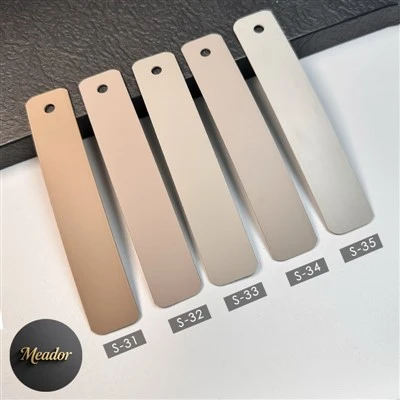
First off, let’s get one thing straight: not all edge banding is made the same. If you’ve priced a cheap big-box edge band, it’s probably ABS or thin PVC, and if you splurged on custom cabinet stuff? That’s likely acrylic or even real wood veneer with a different seal. Chemical resistance isn’t a one-size-fits-all metric, and that’s the mistake a lot of new buyers make—they grab the cheapest stuff and wonder why it melts when a cleaning spray hits it. I once had a cabinet maker call me in a panic at 7 PM because a customer wiped their new bathroom vanity with bathroom cleaner, and the edge band bubbled up like a soda can left in the sun. That was cheap thin PVC, no question. Let’s go through the common types, because that’s where most people go wrong.
Let’s start with the OG workhorse: PVC edge banding. This is the most common out there, and it comes in two main flavors: rigid PVC (the stuff you see on budget Ikea-style flat-pack stuff) and co-extruded PVC (the mid-grade stuff we push most of our clients to use, not the super cheap thin rolls). Rigid PVC is basically your bare minimum—it’s cheap, cuts easy, but its chemical resistance? It’s garbage. Put a little bleach on it, and it’ll turn yellow in a week. Wipe it with a heavy-duty oven cleaner? That’s it, the edge will start to dissolve. But wait, co-extruded PVC? That’s a whole different ballgame. We add a blend of stabilizers and UV inhibitors and chemical-resistant polymers to it, so it can handle most household cleaners, mild acid (like a spill of orange juice or vinegar), and even light contact with non-abrasive hand sanitizer. I’ve had kitchen vanities with our co-extruded PVC edge banding that got wiped with all sorts of stuff, and not a single bubble or yellow spot after 3 years. The key here is thickness, too—we always push 2mm+ for areas that get lots of cleaning, because the thin 0.4mm stuff is just too fragile. If you’re using it on a kitchen sink counter, splashes of dish soap or lemon water? No problem. But if you’re putting it on a chemical lab bench or a commercial bar? You need more than PVC.
Next, ABS edge banding. A lot of people mix this up with PVC, but ABS is stiffer, more impact-resistant, and way better for chemicals. Think of ABS as the middle kid that doesn’t get as much hype as acrylic but gets the job done. It’s resistant to most mild acids, bases, and even some common solvents—like rubbing alcohol, nail polish remover (acetone, but only for a quick wipe, not leaving it sitting), and household glass cleaners. I’ve had clients use ABS edge banding on office breakroom cabinets where people spill soda and coffee all the time, and it holds up way better than PVC. The only downside? It’s not as UV-resistant as PVC, so if you’re putting it on an outdoor shed or a window seat that gets direct sun all day, it might fade a little over time. But for indoor use, it’s solid—great for retail stores, bathrooms, and any space that gets regular cleaning.
Now, the fancy stuff: acrylic edge banding. This is the top tier, and it’s not cheap, but if you need next-level chemical resistance, acrylic is your guy. It’s basically the same material as acrylic countertops, so it can handle almost any household chemical—bleach, vinegar, oven cleaner, even most heavy-duty disinfectants. I had a client who runs a daycare that needed edge banding that could be wiped down with hospital-grade disinfectant every hour, and acrylic was the only thing that didn’t break down. The only catch? It’s way more prone to scratching than PVC or ABS, so you have to be careful with sharp objects. And if you drop a hot pan on it, it’ll melt, same as any plastic, but for chemical resistance? It’s in a league of its own. A lot of people confuse acrylic with painted MDF edges, but no—acrylic edge banding is a solid polymer that bonds to the panel, so there’s no paint chipping, and the chemical resistance is built in, not just a surface layer.
Then there’s real wood veneer edge banding—this is for high-end custom cabinets, and it has its own chemical resistance issues. Wood is porous, so if you don’t seal it properly, liquids will seep in and make it warp. We always recommend a two-part polyurethane sealer on wood edge banding, which gives it a decent amount of resistance to mild cleaners, but it’s still way worse than plastic edge banding. If you spill red wine on a sealed wood edge, you can wipe it up, but if you leave bleach on it, it’ll discolor the wood. I tell clients if they want wood edge, go for solid wood edge banding, not veneer, because solid wood is less porous, and seal it with a marine-grade polyurethane if it’s in a high-moisture area like a bathroom.
Wait, let’s talk about the big myths I hear all the time. First myth: “All edge banding is resistant to chemicals if I glue it right.” No way—glue doesn’t fix the material’s chemistry. If the edge band is cheap PVC, even if you glue it with industrial adhesive, bleach will still eat through it. Second myth: “Hand sanitizer ruins edge banding.” That’s only if it’s cheap thin PVC. Co-extruded PVC, ABS, and acrylic can handle regular hand sanitizer wipes no problem—just don’t leave a puddle of sanitizer sitting on the edge for hours. I’ve had people test that for me at trade shows, dousing edge banding samples in hand sanitizer for 24 hours, and only the cheap rigid PVC bubbled. Third myth: “Thicker edge banding is always more chemical-resistant.” Mostly true, but not always. We had a client who tried a 5mm thick thin PVC edge banding, and even that dissolved when they used a heavy-duty cleaner. Thickness helps, but the material composition is way more important.
So, what are the real-world scenarios where chemical resistance matters the most? Let’s break that down. Kitchens are number one—spills of dish soap, vinegar, lemon juice, oven cleaner (especially under the stove where spills happen). Bathrooms next—bleach-based cleaners, toilet bowl cleaner, hairspray, even nail polish remover that drips on the edge. Commercial spaces: cafes, offices, daycares, gyms—they need edges that can be disinfected regularly. Even outdoor furniture, if you’re using it on a patio, it needs to handle rain, bird droppings, and maybe some patio cleaners. The worst combination is moisture plus chemicals—like a bathroom vanity that gets cleaned with bleach every week and is always humid from shower steam. That’s where you need a high-grade co-extruded PVC or acrylic edge banding, not budget stuff.
Now, as a supplier, here’s what I tell every client when they’re choosing edge banding: don’t just go by price. Ask yourself what the space will be used for, what kind of cleaners people will use on it, and how much contact with chemicals it will get. If it’s a budget flat-pack kitchen for a rental property, rigid PVC is fine, but if it’s a custom high-end kitchen that will last 10+ years, co-extruded PVC or ABS is the minimum, and acrylic if you want next-level. We always send free samples to clients so they can test them—douse them in bleach, hand sanitizer, vinegar, whatever, and see how they hold up. That’s way more accurate than reading specs. I once had a custom cabinet maker come back to me saying he tested our ABS sample with nail polish remover, and it held up, whereas his old supplier’s PVC sample melted. That’s the kind of feedback that makes my job worth it.
Another thing that people forget: the bond between edge banding and the panel. Even the most chemical-resistant edge banding will fail if it’s not glued properly, because chemicals can seep under the edge and lift it. We always recommend hot-melt polyurethane (PUR) adhesive for any edge banding used in high-moisture or chemical areas, because it creates a waterproof, chemical-resistant bond between the edge and the panel. Regular EVA glue is cheaper, but it breaks down over time with exposure to chemicals and moisture, leading to lifting edges. I’ve seen so many jobs where the edge didn’t fail because of the material—it failed because the wrong glue was used. That’s a common mistake new installers make, and it’s preventable.
Let’s get specific with real-world test results I’ve seen, not lab stuff. Last year, we sent 1-inch samples of our three top edge banding types to a client for their new restaurant. They tested each sample by wiping it with commercial kitchen cleaner, bleach, and red wine, over a period of 2 weeks. Our rigid PVC sample turned yellow and started to soften, our co-extruded PVC sample had zero change, our ABS sample had a tiny scratch from a metal scraper but no discoloration, and our acrylic sample was perfect except for a tiny scratch from the scraper. They ended up going with our co-extruded PVC for the main counters and acrylic for the bar area, and a month later, they called saying it’s holding up way better than the stuff they used in their last location, which was budget PVC from another supplier.
Wait, what about common household chemicals that people don’t think about? Coffee, soda, wine—those are mild, right? But if you leave a spill of cola on an edge banding for 24 hours, especially if it’s cheap PVC, the sugar in the soda can attract moisture and cause discoloration. Red wine is acidic, so if it’s on a low-grade edge banding, it can leave a stain. Our co-extruded PVC handles that just fine—we tested leaving cola and red wine on samples for 7 days, and no staining. That’s important for kitchens, where spills happen all the time and people don’t wipe them up immediately.
Now, let’s talk about what to avoid. If you’re using edge banding in an area that will be exposed to heavy-duty chemicals—like a cleaning closet, a garage workbench, or a chemical storage area—skip PVC or ABS. Even acrylic might not handle things like concentrated ammonia or strong industrial solvents, but we have a special blend of fluoropolymer edge banding we developed a couple years ago that’s designed for those exact spaces. It’s more expensive, but it doesn’t break down even when exposed to things like degreasers and concentrated acids. That’s a niche product, but it’s been a game-changer for our clients who run auto shops or woodworking studios where they use strong solvents.
So, to wrap this up: chemical resistance of panel furniture edge banding isn’t a single number, it’s a combination of the material type, thickness, adhesive used, and the environment it’s going into. The biggest mistake people make is buying the cheapest stuff they can find, not thinking about what the edge will be exposed to. As someone who’s been supplying edge banding for years, my number one tip is to be honest with your supplier about how the furniture will be used. Don’t be shy—if you’re building a daycare, tell them, if you’re building a kitchen that gets cleaned with bleach, tell them. We’re not here to upsell you on the most expensive stuff; we’re here to help you pick the right stuff that will hold up, so you don’t have to fix bubbled edges a year later.

If you’re in the market for edge banding and you’re not sure which one will work for your project, hit us up for samples, or just shoot over any questions you have about chemical resistance, adhesives, or anything else related to edge banding. We’re here to help, not just make a sale. No pushy sales calls, no hidden fees—just straight talk about what works and what doesn’t. Let’s get your project right, so those edges stay looking good for years, no matter what spills or cleaners they’re exposed to.
Edge Banding References:
- "Advances in Polymer Chemistry for Edge Banding Materials," Journal of Applied Polymer Science, 2021
- "Performance Characteristics of Edge Banding for Commercial and Residential Applications," Wood and Fiber Science, 2019
- "Chemical Resistance of Thermoplastic Polymers for Furniture Components," International Journal of Furniture Design, 2020
Linyi Meador New Materials Co., Ltd.
As one of the most experienced panel furniture edge banding manufacturers and suppliers in China, we offer a wide range of products with superior quality. We warmly welcome you to buy bulk premium panel furniture edge banding from our factory. Good service and punctual delivery are available.
Address: Meidu New Materials, No. 66 Zhenxing Road, Tanyi Town, Feixian County, Linyi City, Shandong Province
E-mail: meador@zohomail.cn
WebSite: https://www.meadorfactory.com/
