Yo, what’s up, folks! I’m a guy running a power transformer supply business. Today, I wanna talk about something super important in the power transformer world: load loss. Power Transformer
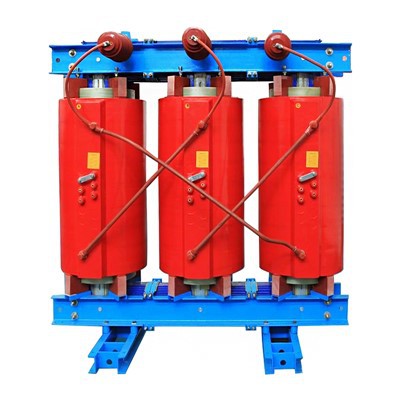
So, first off, what the heck is load loss in a power transformer? Well, when a power transformer is working, it ain’t just transferring power smoothly like magic. There are some energy losses that happen, and load loss is one of ’em.
Load loss mainly occurs when the transformer is under load, that is, when it’s actually supplying power to the connected electrical equipment. It’s caused by the resistance in the transformer’s windings. You see, when current flows through the windings, there’s this thing called Joule heating. It’s like when you run a wire with electricity, and it gets warm. In the transformer windings, this heat is a form of energy loss. The amount of load loss depends on the square of the current flowing through the windings. So, if the current doubles, the load loss goes up by a factor of four!
Let me give you an example to make it clearer. Say you have a small power transformer in a local shop. When the shop is open and all the lights, fans, and other electrical stuff are running, the transformer is under load. The current flowing through its windings causes heat to be generated, and that heat is the load loss. It’s like the transformer is using up some of the power it’s supposed to be delivering just to deal with the resistance in its windings.
Now, why does load loss matter? Well, for one thing, it affects the efficiency of the transformer. Efficiency is all about how much of the input power gets converted into useful output power. The higher the load loss, the lower the efficiency. And in the power business, efficiency is a big deal. It means saving money on energy costs. If a transformer has high load loss, it’s gonna eat up more electricity just to operate, and that costs the end – user more in the long run.
Also, load loss can have an impact on the lifespan of the transformer. The heat generated by load loss can cause the insulation in the windings to degrade over time. If the insulation breaks down, it can lead to short – circuits and other serious problems, which might end up costing a fortune to fix or even replace the transformer.
As a power transformer supplier, I know how crucial it is to keep load loss under control. That’s why we put a lot of effort into the design and manufacturing of our transformers. We use high – quality materials for the windings. Copper is a popular choice because it has low resistance compared to some other metals. By using copper windings, we can reduce the load loss significantly.
We also pay close attention to the winding design. The way the windings are arranged can affect the current flow and, in turn, the load loss. We use advanced computer – aided design (CAD) software to optimize the winding layout. This helps us ensure that the current is distributed evenly through the windings, minimizing the heat generation and load loss.
Another thing we do is perform rigorous testing on our transformers. We measure the load loss under different load conditions to make sure it meets the industry standards. If a transformer has a higher load loss than it should, we go back and figure out what’s wrong. Maybe there’s a problem with the winding material or the design, and we fix it before it goes out to the customer.
Now, you might be wondering how you can tell if a transformer has low load loss. Well, one way is to look at the transformer’s specifications. The manufacturer should provide information about the load loss at different load levels. You can compare the load loss values of different transformers from different suppliers. A lower load loss value generally means a more efficient transformer.
You can also ask the supplier for test reports. Reputable suppliers like us are happy to provide test results that show the actual load loss of the transformers. This gives you an idea of how well the transformer will perform in real – world conditions.
If you’re in the market for a power transformer, you gotta take load loss seriously. It’s not just about getting a transformer that can handle the power you need. You want one that’s efficient and will save you money in the long term. And that’s where we come in.
We’ve been in the power transformer supply business for years, and we’ve got a great track record of providing high – quality transformers with low load loss. Our team of experts is always on top of the latest technologies and manufacturing techniques to ensure that our transformers are the best in the market.
Whether you need a small transformer for a residential building or a large one for an industrial plant, we’ve got you covered. We can customize the transformers to meet your specific requirements. And we offer great customer service. If you have any questions about load loss or any other aspect of our transformers, just give us a shout.
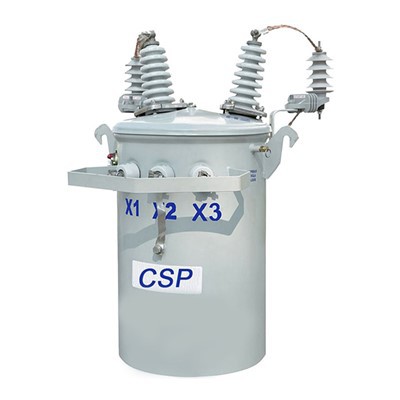
So, if you’re thinking about buying a power transformer, don’t hesitate to get in touch with us. We’re here to help you make the right choice and get a transformer that will serve you well for years to come. Let’s have a chat and see how we can meet your power needs.
Power Transformer References
- "Power Transformer Engineering: Design and Application" by James H. Harlow
- "Transformers: Principles, Applications, and Maintenance" by Robert C. Fischer
Nantong Yawei New Energy Technology Co., Ltd.
As one of the most professional power transformer manufacturers and suppliers in China, we’re featured by quality products and good service. Please rest assured to wholesale durable power transformer made in China here from our factory. Customized orders are welcome.
Address: Room 28-101, Building 27 and 28, No.333 Kaiyuan Avenue, Sunzhuang Subdistrict, Hai’an City, Nantong City, Jiangsu Province, China
E-mail: admin@nantongyawei.com
WebSite: https://www.nantongyawei.com/
