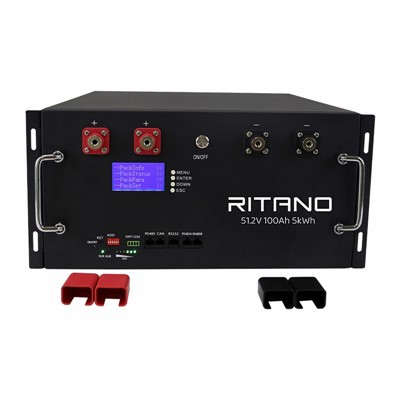
As a supplier of floor standing lithium batteries, I often encounter inquiries from customers about various technical aspects of these batteries. One question that frequently comes up is, "What is the power factor of floor standing lithium batteries?" In this blog, I will delve into the concept of power factor, its significance for floor standing lithium batteries, and how it impacts their performance and efficiency. Floor Standing Lithium Batteries
Understanding Power Factor
Before we discuss the power factor of floor standing lithium batteries, let’s first understand what power factor is. Power factor is a measure of how effectively electrical power is being used in an electrical system. It is defined as the ratio of real power (measured in watts, W) to apparent power (measured in volt – amperes, VA).
The formula for power factor (PF) is:
[PF=\frac{P}{S}]
where (P) is the real power and (S) is the apparent power. Real power is the power that actually does useful work, such as charging a battery or running an electrical appliance. Apparent power is the product of the voltage and current in an electrical circuit.
A power factor of 1 (or 100%) indicates that all the electrical power is being used effectively, with no reactive power. Reactive power is the power that oscillates between the source and the load without doing any useful work. It is caused by inductive or capacitive elements in the electrical circuit. A power factor less than 1 means that there is some reactive power in the system, which results in inefficiencies and higher energy costs.
Power Factor in Floor Standing Lithium Batteries
In the context of floor standing lithium batteries, the power factor is an important parameter that affects their performance and efficiency. When a lithium battery is being charged or discharged, the electrical current flowing through it has both real and reactive components.
During the charging process, the power factor of a floor standing lithium battery can be affected by several factors. For example, the charger’s design and the battery’s internal resistance can influence the power factor. A well – designed charger will try to maintain a high power factor to ensure efficient charging. If the power factor is low during charging, it means that more electrical energy is being wasted as reactive power, which can lead to longer charging times and increased energy consumption.
When the battery is being discharged to power electrical devices, the power factor also plays a crucial role. A high power factor ensures that the battery can deliver power to the load efficiently. If the power factor is low, the battery may not be able to provide the full amount of real power required by the load, which can lead to reduced performance of the electrical devices.
Factors Affecting the Power Factor of Floor Standing Lithium Batteries
Battery Design
The internal design of the floor standing lithium battery can have a significant impact on its power factor. For example, the arrangement of the battery cells, the type of electrodes used, and the electrolyte composition can all affect the electrical characteristics of the battery, including its power factor. A well – designed battery with low internal resistance and proper cell configuration is more likely to have a higher power factor.
Charging and Discharging Conditions
The charging and discharging conditions also play a role in determining the power factor of the battery. If the charging current is too high or too low, it can affect the power factor. Similarly, discharging the battery at a high rate can also lead to a lower power factor. It is important to follow the manufacturer’s recommended charging and discharging parameters to maintain a high power factor.
Electrical Load
The type of electrical load connected to the floor standing lithium battery can also influence its power factor. Inductive loads, such as motors, can cause a lower power factor because they require reactive power to operate. Capacitive loads, on the other hand, can sometimes improve the power factor. It is important to consider the power factor requirements of the electrical load when using a floor standing lithium battery.
Importance of a High Power Factor for Floor Standing Lithium Batteries
Energy Efficiency
A high power factor means that the floor standing lithium battery is using electrical energy more efficiently. This results in less energy waste and lower electricity costs. For example, in a large – scale energy storage system using floor standing lithium batteries, a high power factor can lead to significant savings in energy consumption over time.
Performance and Reliability
A high power factor ensures that the battery can deliver power to the load effectively. This is especially important for critical applications where a stable power supply is required. For example, in a data center or a hospital, a floor standing lithium battery with a high power factor can provide reliable backup power, reducing the risk of power outages and equipment damage.
Compatibility with Electrical Systems
Many electrical systems have specific power factor requirements. A floor standing lithium battery with a high power factor is more likely to be compatible with these systems, which can simplify the installation and operation of the battery.
Measuring and Improving the Power Factor of Floor Standing Lithium Batteries
Measuring the Power Factor
To measure the power factor of a floor standing lithium battery, specialized electrical measuring equipment can be used. These devices can measure the real power, apparent power, and reactive power in the battery circuit, and then calculate the power factor.
Improving the Power Factor
There are several ways to improve the power factor of floor standing lithium batteries. One way is to use a power factor correction device. These devices can adjust the electrical current flowing through the battery to reduce the reactive power and increase the power factor. Another way is to optimize the charging and discharging processes. By following the manufacturer’s recommended charging and discharging parameters, the power factor can be maintained at a high level.
Conclusion

In conclusion, the power factor of floor standing lithium batteries is an important parameter that affects their performance, efficiency, and compatibility with electrical systems. As a supplier of floor standing lithium batteries, I understand the significance of power factor and strive to provide high – quality batteries with a high power factor.
Lithium Cell Batteries If you are in the market for floor standing lithium batteries and want to learn more about their power factor and other technical aspects, I encourage you to reach out to me. I am more than happy to discuss your specific requirements and provide you with the best solutions for your energy storage needs. Whether you are looking for batteries for residential, commercial, or industrial applications, I can offer you reliable and efficient floor standing lithium batteries.
References
- Chapman, S. J. (2012). Electric Machinery Fundamentals. McGraw – Hill.
- Dorf, R. C., & Svoboda, J. A. (2015). Introduction to Electric Circuits. Wiley.
- Linden, D., & Reddy, T. B. (2002). Handbook of Batteries. McGraw – Hill.
Dongguan Ritano New Energy Co., Ltd.
With abundant experience, we are one of the most reliable floor standing lithium batteries manufacturers and suppliers in China. We warmly welcome you to wholesale customized floor standing lithium batteries made in China here from our factory. If you have any enquiry about quotation, please feel free to email us.
Address: Building 27, Jewelry Park, Huanchang North Road, Changping Town, Dongguan City, Guangdong Province
E-mail: Umi.sales@ritano.cn
WebSite: https://www.ritanopower.com/
