Hey there! I’m a supplier of self – tapping inserts, and today I wanna chat about what the cost of self – tapping inserts really is. It’s not just about the price tag on the product; there’s a whole lot more to it. Self-Tapping Inserts
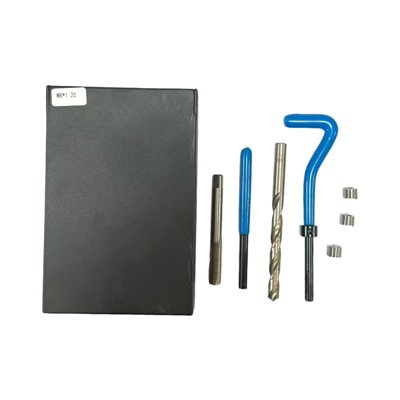
Let’s start with the obvious part: the direct cost. When you’re looking at self – tapping inserts, the price can vary quite a bit. It depends on a bunch of factors. First off, the material. We’ve got inserts made from different materials like stainless steel, brass, and carbon steel. Stainless steel inserts are more expensive because they’re corrosion – resistant, which is a big plus in many applications. Brass inserts are also pretty popular, especially for electrical applications, and they’re usually in the mid – price range. Carbon steel inserts are generally the cheapest, but they might not be as durable in harsh environments.
Another factor that affects the cost is the size. Smaller self – tapping inserts are usually less expensive than larger ones. That’s because they use less material and are easier to manufacture. But don’t think that smaller always means better value. Sometimes, you need a larger insert to handle the load or to fit properly in the application.
The quantity you order also plays a huge role. If you’re buying in bulk, you can usually get a better price per unit. That’s because suppliers like me can save on production and shipping costs when we’re dealing with large orders. So, if you’ve got a big project coming up, it might be worth it to order a large quantity.
But the cost of self – tapping inserts isn’t just about the money you pay upfront. There are also indirect costs to consider. Installation is one of them. Self – tapping inserts are designed to be easy to install, but you still need the right tools and some know – how. If you don’t have the proper tools, you’ll have to buy or rent them, which adds to the cost. And if you’re not experienced in installing these inserts, you might end up making mistakes, which could lead to wasted inserts and more money spent.
Maintenance is another indirect cost. Some inserts might require regular maintenance to keep them in good working condition. For example, if you’re using inserts in a high – vibration environment, you might need to check them periodically to make sure they’re still tight. If they come loose, it could cause problems in your application, and you’ll have to spend time and money to fix it.
Now, let’s talk about the cost – effectiveness of self – tapping inserts. In many cases, they can actually save you money in the long run. They provide a strong and reliable connection, which means less chance of failure. If you’re using self – tapping inserts in a product, it can increase the overall quality and durability of that product. This can lead to fewer returns and repairs, which saves you money on customer service and replacement parts.
For example, let’s say you’re manufacturing a piece of machinery. Using self – tapping inserts instead of traditional fasteners can make the assembly process faster and more efficient. You won’t have to drill and tap holes, which saves time and labor costs. And because the inserts create a better connection, the machinery is less likely to break down, reducing downtime and repair costs.
But it’s not all sunshine and rainbows. There are situations where self – tapping inserts might not be the most cost – effective option. If you’re working on a small – scale project with a tight budget, the upfront cost of the inserts might be a bit too high. In that case, you might want to consider other fastening methods.
So, how can you figure out if self – tapping inserts are the right choice for your project? Well, you need to do a cost – benefit analysis. Look at the direct and indirect costs, as well as the long – term benefits. Consider the application, the environment, and the quantity you need.
If you’re still not sure, don’t hesitate to reach out to a supplier like me. I’ve been in the business for a while, and I can help you make the right decision. I can give you advice on the best type of insert for your project, the quantity you should order, and how to install them properly.

In conclusion, the cost of self – tapping inserts is a complex issue. It’s not just about the price you pay at the counter. You need to consider all the factors, both direct and indirect, to determine if they’re the right choice for your project. And if you’re interested in purchasing self – tapping inserts, I’d love to have a chat with you. Let’s talk about your specific needs and see how we can work together to get you the best value for your money.
Thread Repair Kit References:
- General knowledge and experience in the self – tapping inserts industry.
- Industry research on materials, manufacturing processes, and applications of self – tapping inserts.
Locking Inserts Technologies Co., Ltd.
As one of the most professional self-tapping inserts manufacturers and suppliers in China, we’re featured by quality products and good service. Please rest assured to wholesale bulk self-tapping inserts in stock here from our factory. Also, custom service is available.
Address: 205, 2/F, Bldg. A8, Zhizaogu Ind. Park, No.26 Xingye 5th Rd, Bao’an Dist., Shenzhen, Guangdong, P.R.China
E-mail: sales@lockinginserts.com
WebSite: https://www.lockinginserts.com/
