Copper sulfate is a well – known chemical compound with a wide range of applications, from agriculture to industrial processes. As a supplier of copper sulfate, I often get asked whether copper sulfate is a hydrated compound. In this blog, I will delve into the science behind copper sulfate and its hydrated forms, exploring their properties, uses, and the significance of hydration in the context of our product offerings. Copper Sulfate
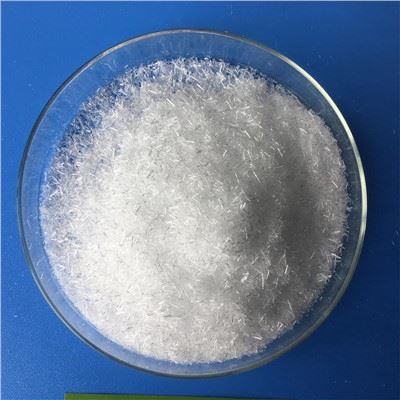
Understanding Copper Sulfate and Hydrates
To begin with, let’s clarify what a hydrated compound is. A hydrated compound is a substance that contains water molecules within its crystal structure. These water molecules are chemically bound to the compound in a fixed ratio and are referred to as water of crystallization. The presence of water of crystallization can significantly affect the physical and chemical properties of the compound.
Copper sulfate exists in both anhydrous and hydrated forms. The anhydrous form, copper sulfate (CuSO₄), is a white powder. It is highly hygroscopic, meaning it readily absorbs water from the surrounding environment. When anhydrous copper sulfate absorbs water, it undergoes a chemical reaction and forms a hydrated compound.
The most common hydrated form of copper sulfate is copper sulfate pentahydrate (CuSO₄·5H₂O). This compound has a bright blue color and is the form that is most commonly sold and used in various industries. The five water molecules in copper sulfate pentahydrate are an integral part of its crystal structure. They are held in place by hydrogen bonds and other intermolecular forces.
Properties of Copper Sulfate Pentahydrate
One of the most distinctive properties of copper sulfate pentahydrate is its color. The bright blue color is due to the presence of the copper ions (Cu²⁺) in the compound. When light interacts with the copper ions in the crystal lattice, certain wavelengths of light are absorbed, and the complementary color (blue) is reflected.
Copper sulfate pentahydrate has a well – defined crystal structure. It forms large, well – shaped crystals that are often used in educational settings to demonstrate crystal growth. These crystals are relatively stable under normal conditions but can lose their water of crystallization when heated.
When heated, copper sulfate pentahydrate undergoes a process called dehydration. The water molecules are driven off, and the compound gradually changes from a blue solid to a white powder as it converts to the anhydrous form. This process is reversible. If the anhydrous copper sulfate is exposed to water vapor or dissolved in water, it will re – absorb water and reform the pentahydrate.
Uses of Copper Sulfate Hydrates
The hydrated forms of copper sulfate, especially copper sulfate pentahydrate, have a wide range of applications. In agriculture, it is used as a fungicide and pesticide. It can be applied to crops to control fungal diseases such as downy mildew and apple scab. The copper ions in the compound are toxic to fungi and can prevent their growth and spread.
In the industrial sector, copper sulfate pentahydrate is used in electroplating processes. It serves as a source of copper ions for the deposition of copper onto various metal surfaces. This is important in the manufacturing of printed circuit boards, where a thin layer of copper is required for electrical conductivity.
Copper sulfate is also used in the production of pigments. The blue color of copper sulfate makes it a valuable ingredient in the production of blue and green pigments for paints, ceramics, and dyes.
Significance for Our Business as a Supplier
As a supplier of copper sulfate, understanding the hydrated nature of the compound is crucial. The hydrated form, copper sulfate pentahydrate, is more stable and easier to handle compared to the anhydrous form. It has a lower risk of hygroscopicity – related issues during storage and transportation.
Our customers often require a specific form of copper sulfate depending on their applications. For example, those in the agricultural sector may prefer the pentahydrate form due to its ease of use and solubility in water. On the other hand, some industrial processes may require the anhydrous form for specific chemical reactions.
We ensure that our copper sulfate products are of high quality and meet the relevant industry standards. We offer both the anhydrous and pentahydrate forms to cater to the diverse needs of our customers. Our quality control measures include testing for purity, water content, and particle size to ensure that the products perform as expected.
Hydration and Quality Control
Quality control is an important aspect of our business. When it comes to copper sulfate, the water content is a critical parameter. For the pentahydrate form, the ideal water content is approximately 36% by weight, corresponding to the five water molecules in the formula CuSO₄·5H₂O. Deviations from this value can affect the properties and performance of the product.
We use advanced analytical techniques to determine the water content of our copper sulfate products. Thermogravimetric analysis (TGA) is a commonly used method. In TGA, the sample is heated at a controlled rate, and the weight loss is measured as the water of crystallization is driven off. This allows us to accurately determine the water content and ensure that our products meet the specified standards.
Market Trends and Customer Demand
The market for copper sulfate is influenced by various factors, including the growth of the agricultural and industrial sectors. In recent years, there has been an increasing demand for copper sulfate in emerging economies due to the expansion of agriculture and manufacturing industries.
Customers are also becoming more aware of the quality and environmental impact of the products they use. As a supplier, we are committed to providing environmentally friendly and sustainable products. We ensure that our copper sulfate production processes comply with environmental regulations and minimize waste generation.
Conclusion
In conclusion, copper sulfate can exist as both an anhydrous and a hydrated compound, with the hydrated form, copper sulfate pentahydrate, being the most commonly used. The water of crystallization in copper sulfate pentahydrate plays a crucial role in its properties, such as color, solubility, and stability.
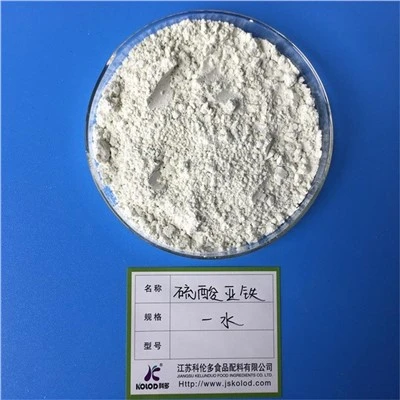
As a supplier of copper sulfate, we understand the importance of providing high – quality products that meet the diverse needs of our customers. Whether it’s for agricultural, industrial, or other applications, we are dedicated to ensuring that our copper sulfate products are of the highest quality.
Potassium Acetate If you are interested in purchasing copper sulfate for your specific needs, we invite you to contact us for a detailed discussion. Our team of experts can provide you with more information about our products, pricing, and delivery options. We look forward to working with you to meet your copper sulfate requirements.
References
- Housecroft, C. E., & Sharpe, A. G. (2012). Inorganic Chemistry (4th ed.). Pearson.
- Cotton, F. A., Wilkinson, G., Murillo, C. A., & Bochmann, M. (1999). Advanced Inorganic Chemistry (6th ed.). Wiley.
- CRC Handbook of Chemistry and Physics (97th ed.). CRC Press.
Jiangsu Kolod Food Ingredients Co., Ltd.
As one of the most professional copper sulfate manufacturers and suppliers in China, we’re featured by quality products and good price. Please rest assured to wholesale bulk copper sulfate made in China here and get free sample from our factory. Customized orders are welcome.
Address: South Side of Weier Road, Guanyun Development Zone, Lianyungang City, Jiangsu Province, China
E-mail: sales1399@jskolod.com
WebSite: https://www.kolod-group.com/
