In recent years, the global push towards renewable energy has led to a significant increase in the development of solar farms. Solar energy is clean, abundant, and a sustainable solution to meet the world’s growing energy demands. As an inverter supplier, I’ve witnessed firsthand the crucial role that inverters play in solar power systems, especially in large – scale solar farms. In this blog, I’ll explore whether inverters can be used in solar farms, the types of inverters suitable for such applications, and the benefits they bring. Inverters

Can Inverters Be Used in Solar Farms?
The simple answer is yes. In fact, inverters are an essential component of solar farms. Solar panels generate direct current (DC) electricity from sunlight. However, most of the electrical appliances and the power grid operate on alternating current (AC). This is where inverters come in. They convert the DC electricity produced by solar panels into AC electricity that can be used to power homes, businesses, or fed back into the grid.
In a solar farm, the scale of operation is much larger compared to a residential or small – commercial solar installation. Therefore, the requirements for inverters are more stringent. They need to be reliable, efficient, and able to handle large amounts of power.
Types of Inverters for Solar Farms
String Inverters
String inverters are one of the most common types used in solar farms. They are designed to handle multiple strings of solar panels connected in series. These inverters are relatively simple in design and cost – effective. They work well in solar farms where the panels are installed in a uniform environment, with similar orientation and shading conditions.
One of the advantages of string inverters is their ease of installation and maintenance. Since they are centralized, it’s easier to monitor and troubleshoot the system. However, they also have some limitations. If one panel in a string is shaded or malfunctions, it can affect the performance of the entire string.
Central Inverters
Central inverters are large – scale inverters used in big solar farms. They are capable of handling high power outputs, often in the range of hundreds of kilowatts to megawatts. These inverters are typically installed in a central location within the solar farm.
The main advantage of central inverters is their high efficiency. They are designed to operate at peak performance levels for large – scale power conversion. However, they are also more complex and expensive to install and maintain. In addition, a single point of failure in a central inverter can cause a significant disruption to the entire solar farm’s power generation.
Microinverters
Microinverters are a relatively new technology in the solar industry. Unlike string and central inverters, microinverters are installed on each individual solar panel. This means that each panel can operate independently, maximizing the power output of the entire solar farm.
Microinverters are particularly useful in solar farms with panels that are subject to different shading conditions. They can also improve the overall system reliability, as the failure of one microinverter does not affect the performance of other panels. However, the cost of microinverters is generally higher than that of string or central inverters, and the installation process can be more time – consuming.
Benefits of Using Inverters in Solar Farms
Energy Conversion Efficiency
Inverters play a vital role in maximizing the energy conversion efficiency of solar farms. By converting DC to AC efficiently, they ensure that a larger portion of the solar energy captured by the panels is converted into usable electricity. High – efficiency inverters can significantly increase the overall power output of a solar farm, leading to higher returns on investment.
Grid Compatibility
Most solar farms are connected to the power grid. Inverters help to ensure that the electricity generated by the solar panels is compatible with the grid’s requirements. They can regulate the voltage, frequency, and power factor of the AC electricity, making it suitable for injection into the grid. This is crucial for the stable operation of the grid and the integration of solar energy into the existing power system.
Monitoring and Control
Modern inverters are equipped with advanced monitoring and control features. They can provide real – time data on the performance of the solar farm, such as power output, energy production, and system efficiency. This data can be used to optimize the operation of the solar farm, identify potential issues, and perform preventive maintenance.
Challenges and Considerations
While inverters are essential for solar farms, there are also some challenges and considerations that need to be addressed.
Environmental Conditions
Solar farms are often located in remote areas with harsh environmental conditions, such as high temperatures, high humidity, and dust. Inverters need to be designed to withstand these conditions to ensure reliable operation. For example, they may need to have proper ventilation and cooling systems to prevent overheating.
System Integration
Integrating inverters into a solar farm requires careful planning and coordination. The inverters need to be compatible with other components of the solar power system, such as solar panels, batteries (if used), and the grid connection. Any compatibility issues can lead to reduced system performance or even system failures.
Cost
The cost of inverters is an important factor in the overall economics of a solar farm. While high – quality inverters can provide better performance and reliability, they also come with a higher price tag. Solar farm developers need to balance the cost of inverters with the expected benefits in terms of energy production and system reliability.
Why Choose Our Inverters
As an inverter supplier, we offer a wide range of inverters suitable for solar farms. Our inverters are designed with the latest technology to ensure high efficiency, reliability, and compatibility with different solar power systems.
We understand the unique requirements of solar farms and have developed inverters that can withstand harsh environmental conditions. Our products are rigorously tested to meet international standards, ensuring long – term performance and durability.
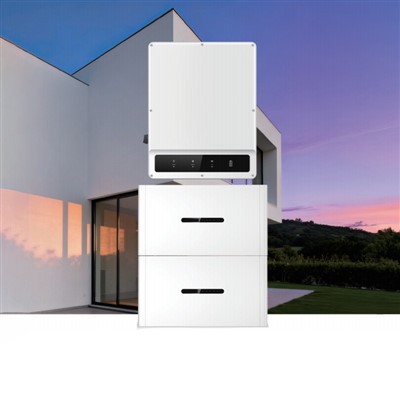
In addition, our inverters are equipped with advanced monitoring and control features, allowing solar farm operators to easily manage and optimize their systems. We also provide comprehensive technical support and after – sales service to ensure that our customers get the most out of our products.
Inverters If you are planning to develop a solar farm or looking to upgrade your existing solar power system, we invite you to contact us for a consultation. Our team of experts can help you choose the right inverters for your specific needs and provide you with a customized solution.
References
- "Solar Power Systems: Design and Analysis" by Paul Gipe
- "Renewable Energy: Power for a Sustainable Future" by Godfrey Boyle
- Industry reports on solar energy and inverter technology from market research firms such as BloombergNEF and Wood Mackenzie.
Shandong Yaoqian Energy Storage International Trade Co., Ltd.
We’re well-known as one of the leading inverters manufacturers and suppliers in China, featured by quality products and good price. Please rest assured to buy customized inverters made in China here from our factory.
Address: Lithium Battery Industrial Park, Xingcheng Street, Zaozhuang High-tech Zone, Shandong Province, China
E-mail: boss@yaoqiansmart.com
WebSite: https://www.yaoqiansmart.com/
