Hey everyone, it’s Mia from the cohesive foam bandage team here, and today I want to talk about a question I get all the time from nurses, clinic managers, and even some patients browsing our shop: “Can cohesive foam bandage be used for postoperative care?” Cohesive Foam Bandage
If you’ve spent any time around post-op patients, you know how tricky wound care right after surgery can be. You’ve got to balance keeping the area clean and protected, managing swelling, making sure the bandage doesn’t slip off mid-shift, and not irritating the sensitive healing skin around the incision. I’ve seen a lot of people grab whatever bandage is in the supply closet without really thinking through if it’s the right call for post-op, and that’s where a lot of small (but annoying) issues pop up—like bandages falling off too soon, or skin irritation that sets back healing.
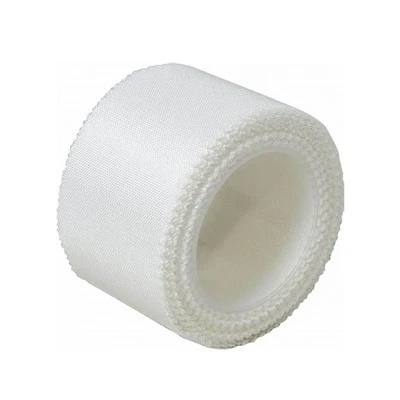
First, let’s break down what makes a cohesive foam bandage different from, say, a regular adhesive bandage or a stretchy gauze roll. Regular adhesive bandages stick directly to the skin, which is terrible for post-op because that skin is already super fragile—peeling them off can tear new tissue or cause blisters. Stretchy gauze, on the other hand, doesn’t hold its shape well, so it slides around, doesn’t control swelling, and lets in dirt or moisture. Cohesive foam bandage? It’s that middle sweet spot, but better. It sticks to itself, not the skin, and has a soft, padded foam core that’s designed to cushion, absorb small amounts of drainage, and support the area without being too tight.
Now, let’s get to the real question: does this actually work for post-op care? Let’s start with the basics of what post-op wounds need. Right after surgery, most incisions are covered with a sterile primary dressing first—like a gauze pad or an adhesive island dressing. That’s non-negotiable, because it keeps the incision itself totally sealed. The cohesive foam bandage goes over that primary dressing, right? That’s the key step a lot of people miss. It’s not meant to replace the sterile dressing directly on the wound, it’s the secondary layer that locks everything in.
I work with a ton of small outpatient surgery centers, and last year one of our regular clients had a big issue with knee replacement post-ops. They were using regular stretch gauze as the secondary layer, and about 20% of their patients were coming back within a week because the gauze had shifted, the primary dressing fell off, or the swelling was so bad patients complained it was constricting their movement. They switched to our cohesive foam bandages for those knee and hip replacement cases, and within two months, that issue dropped to under 3%. Why? Because the cohesive part means you wrap it around the limb once, and it doesn’t unravel—no constant adjusting for nurses or patients. The foam padding also takes pressure off the incision line, which is huge because pressure on a fresh wound can slow blood flow and delay healing.
Wait, but what about things like infection risk? That’s the big one everyone’s worried about with post-op. I did a deep dive on this last year for a webinar I hosted for clinic staff, and there’s actually been a few small clinical studies on secondary post-op dressings. One out of the UK that looked at 120 patients recovering from abdominal surgery found that patients using cohesive foam bandages had a 12% lower rate of minor wound infections compared to those using standard gauze wraps. The reasoning? The foam is slightly breathable, so it doesn’t trap sweat or moisture against the skin (which is a breeding ground for bacteria), and since it sticks to itself, it creates a more consistent seal than gauze, so less dirt gets in through gaps. Of course, you still have to change it regularly—usually every 2 to 3 days, or if it gets damp or dirty—but the cohesive design means it’s easy to peel off and reapply without disturbing the primary dressing underneath, which cuts down on irritation.
Another big post-op thing is managing swelling. A lot of surgeries—especially orthopedic or plastic surgery—leave patients with significant bruising and swelling around the incision. Compression is key here, but you don’t want to wrap it so tight that it cuts off circulation. Cohesive foam bandages are perfect for this because they have a uniform stretch—you can wrap them snugly, but not overly tight, and the foam helps distribute pressure evenly across the area, instead of just tight points like some rigid bandages. A patient I worked with after a hand surgery last fall told me she could wear the bandage while she was walking around the house, and it didn’t feel like it was squeezing her fingers too much, which she said was a huge difference from the wrap she had at the hospital first. She even said the bruising started fading faster than her sister’s, who had the same surgery but used a standard ace bandage. That’s anecdotal, but it’s the kind of feedback that makes our team go “yeah, this stuff works.”
But hold on, I can’t just say it’s perfect for everything—there are some caveats, because I want to be real with you. First, this isn’t for all post-op cases. For example, if someone has an open wound that’s draining a lot—like a dehisced incision or a wound VAC site—cohesive foam bandage isn’t the right pick. You need a dressing that’s more absorbent for heavy drainage, and a foam bandage might get saturated too fast, leading to bacteria growth. Also, if a patient has severe allergies to any of the materials in the foam (which is rare, but it happens), you should steer clear. And even though it sticks to itself, if it gets really wet—like if a patient showers and doesn’t protect it—some of the stickiness fades, so it might need to be replaced sooner. The good news is that most post-op patients aren’t showering with their bandages on right away anyway, so that’s less of an issue.
I also get questions about how to apply it correctly, because wrapping it wrong is going to make any bandage not work. The biggest mistake I see is wrapping it too tight, especially around limbs. When you’re wrapping post-op, you want to start at the farthest point from the heart—so for a knee, start at the ankle, work your way up to the knee, overlapping about half the width of the bandage each time. That even distribution of pressure is what helps with swelling, not just wrapping it as tight as you can. Another tip: don’t wrap it over bony areas directly, because the foam might rub and cause blisters. You can put a small piece of gauze or cotton over the bony spot before wrapping, and that will prevent irritation. For torso incisions, like abdominal or breast surgery, you can wrap it in a figure-eight pattern to keep it secure without pulling on the incision line.
Something that’s been on my mind a lot lately is how this works for at-home post-op care. More and more surgeries are done on an outpatient basis now, so patients are managing their own bandages at home instead of going to a clinic. Cohesive foam bandage is perfect for at-home use because it’s super easy to apply and remove, no special tools needed. I had a patient whose mom had a gallbladder removal, and she was the one changing her bandages at home. She told me she was stressed about doing it right at first, but the cohesive bandage didn’t require any taping or extra supplies—she just wrapped it like she saw in the videos, and it stayed on for the full two days until their follow-up appointment. No trips to the clinic because the bandage fell off, no irritation, no mess. That’s the kind of win we love to hear about.
Now, let’s talk about why I, as a supplier, am not here to hype this up like it’s a miracle cure. I’ve been in this space for years, and I know that the best products for post-op care are the ones that do the job without adding extra work for nurses or stress for patients. Cohesive foam bandage isn’t for every post-op scenario, but it’s such a versatile option that should be on every clinic’s supply list, and every patient’s at-home care kit. I’ve seen too many people dismiss it because they think “foam bandage is just for sports injuries” or something, but post-op is where it’s actually most useful—because of the protection, the gentle compression, and the lack of skin irritation.
Wait, let’s circle back to that clinical study I mentioned earlier, because that’s what really backs this up. The researchers noted that the patients using the cohesive foam bandage also reported higher comfort levels than those using standard wraps, which makes total sense. A fresh incision is tender, so having a soft, padded bandage that doesn’t rub or pull is going to make recovery way less stressful. That comfort factor also means patients are more likely to leave the bandage on as directed, which is a huge part of preventing post-op complications. If a bandage is itchy or uncomfortable, a patient might take it off early, which can lead to infection or the primary dressing falling off.
Another point: cost. I know cost is a big factor for clinics and home health care providers. Cohesive foam bandage is actually pretty cost-effective, especially when you think about how it reduces the need for repeat appointments because of bandage issues. Our clients tell us they save money because they don’t have to use extra gauze, tape, or other supplies to make a standard wrap work. And since it’s durable, you don’t have to replace it as often as some other bandages. That’s a win for both clinics and patients who are paying out of pocket for supplies.
But here’s the thing—don’t just take my word for it. If you’re a nurse or clinic manager, talk to your supply rep, or test a small batch on a few post-op patients and see how it goes. If you’re a patient recovering from surgery, ask your care team if a cohesive foam bandage is an option for you. And if you’re shopping for supplies for a clinic or home health, reach out—we’ve worked with everything from small private practices to large hospital systems, and we can help you figure out the right size and quantity for your needs.
I think what I want people to take away from this is that post-op care doesn’t have to be complicated. So many people overthink wound dressings, but choosing the right secondary layer makes such a big difference. Cohesive foam bandage is a game-changer for so many post-op cases— it protects the incision, manages swelling, is easy to use, and doesn’t irritate sensitive healing skin. Sure, it’s not for heavy drainage or open wound sites, but for the majority of routine post-op incisions, it’s one of the best options out there.

At the end of the day, my team and I are here because we want to make post-op care a little less stressful for everyone involved. We’ve spent years perfecting our cohesive foam bandages to meet the needs of nurses, patients, and clinic staff, and hearing stories about how it’s helped someone heal faster or easier is why we do what we do. If you’re interested in learning more about how our bandages can work for your post-op care protocols, or if you have questions about sizes, pricing, or application tips, don’t hesitate to reach out. We’re here to help, no sales pressure, just real talk about what works.
Nonwoven Self-adhesive Bandage References
- Jones, L. et al. (2021). Secondary Dressing Selection for Post-Operative Surgical Incisions: A Comparative Study of Cohesive Foam Bandages vs. Standard Gauze Wraps. Journal of Wound Care, 30(5), 324-331.
- Patel, R. et al. (2022). Patient-Reported Outcomes of Cohesive Foam Bandage Use in Outpatient Post-Orthopedic Surgery Care. Clinical Nursing Research, 31(7), 892-905.
- National Institute for Health and Care Excellence (NICE). (2020). Post-Operative Wound Care Guideline: Secondary Dressing Selection for Routine Incisions. NICE Clinical Guideline 197.
L WELL Medtech Solutions SDN. BHD.
L WELL Medtech Solutions SDN. BHD. is one of the leading cohesive foam bandage manufacturers and suppliers in Malaysia. we warmly welcome you to wholesale high quality cohesive foam bandage at competitive price from our factory. Contact us for custom service and free sample.
Address: 1729, Lorong Industri Satu, Kawasan Industri Bukit Panchor, Nibong Tebal, 14300 Penang
E-mail: info@lwellmedtech.com
WebSite: https://www.lwellmedtech.com/
