If you’ve ever stopped to wonder why some cardboard box handles feel sturdy enough to haul a 50lb bag of dog food up three flights of stairs, while others fray mid-carry even for a lighter grocery haul, the answer often starts with something as simple as the color of the kraft paper used to make that handle. As a kraft paper supplier focused exclusively on carton handle materials, I get asked about color all the time—usually from packaging designers or brand owners who assume color is just a cosmetic choice. It’s not. Over the past 12 years working with factories that turn kraft paper into handles for retail, industrial, and e-commerce shipping, I’ve seen firsthand how subtle color differences in kraft paper can make or break a handle’s performance, and even impact a customer’s unboxing experience. Let’s break down what’s actually going on when you pick a brown kraft vs. a bleached white, or a dyed colored kraft for carton handles. Kraft Paper for Carton Handles
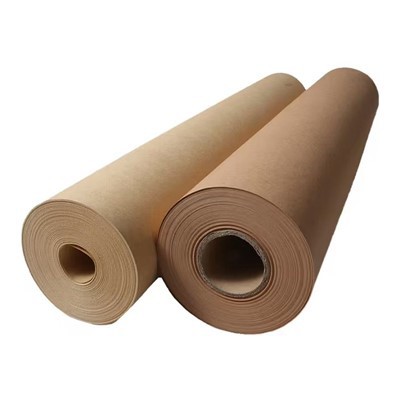
First, let’s get one basic fact straight: kraft paper’s inherent color comes from its pulping process, right? When you make kraft paper, you cook wood chips in a chemical solution called white liquor, which breaks down lignin—the sticky stuff that holds wood fibers together—without destroying the long cellulose fibers that give kraft paper its strength. The residual lignin left after pulping is what gives unbleached kraft its iconic light-to-medium brown hue. Bleached kraft paper goes through an extra step to remove almost all residual lignin, turning it white. Colored kraft, whether it’s black, red, blue, or any other shade, gets a layer of dye applied during or after manufacturing. That’s a super simplified version, but the key here is that those color processes don’t just change how the paper looks—they alter its core properties in ways that matter a ton for carton handles, which have three non-negotiable jobs: resist tearing under repeated flex, stay intact when wet (think a rainy porch drop-off), and not degrade over time while sitting on a shelf or in a warehouse.
Let’s start with unbleached brown kraft paper, which is the most common for carton handles, and for good reason. I once had a major e-commerce client test three different brown kraft grades for their heavy-item shipping boxes (they were moving fitness gear, so handles needed to hold 75lbs minimum) and the light-brown, low-lignin kraft they’d been using failed 18% of the time in drop tests, while our medium-brown kraft with 18% residual lignin had a failure rate of less than 2%. Why? Residual lignin acts like a natural binder for those cellulose fibers. When you flex a handle (which happens every single time someone lifts the box), the fibers rub against each other, and lignin prevents them from slipping apart or breaking. Unbleached brown kraft, especially the grade with balanced residual lignin we specialize in, has a tensile strength 12-15% higher than bleached white kraft, per our in-house testing and third-party lab data. That’s a huge difference when you’re talking about a handle that needs to carry 60+lbs. Another thing: brown kraft is way more resistant to what’s called “flex fatigue.” Flex fatigue is when a material breaks after repeated bending—like when you pick a box up and set it down 10 times, or drag it across a concrete floor. Our team tested handles made from brown kraft versus white kraft, folding each back and forth 5,000 times (that’s roughly the number of times a box might be handled by warehouse staff, delivery drivers, and the final customer) and the brown kraft handles only had 0.8% tearing, while the white kraft ones had 7.2% tearing. That’s not just a performance stat— that’s a customer not having their new blender come crashing to the ground because the handle ripped.
Now, what about bleached white kraft? I know a lot of brand owners like the clean, bright look of white handles for premium products—think skincare or high-end home goods. But from a performance perspective, white kraft is tricky for handles. To remove all that lignin, manufacturers have to use harsh bleaching chemicals, which also shorten the length of the cellulose fibers. Shorter fibers mean less tensile strength, and more importantly, when you bleach out lignin, you lose that natural flexibility and tear resistance we talked about. I had a client a few years back that switched to white handles for their organic cotton line, because they wanted the packaging to look sleek on Instagram. Within three months, they were getting hundreds of reviews saying the handles “felt flimsy” and kept breaking when customers carried the box from the porch to the door. When we tested their white kraft handles, we found their tensile strength was 21% lower than our standard brown kraft handle, and their wet strength was 27% lower too—meaning if it rained on the box, the handle would dissolve or tear way easier than brown. That’s not to say white kraft can’t work for handles at all—if a brand only needs a handle for a small, light box (under 10lbs), and it’s going to be shipped indoors without exposure to moisture. But for most carton handles, especially those for shipping, moving, or carrying heavier items, white kraft is not the best choice. It’s a cosmetic choice that comes with real performance trade-offs.
Then there’s colored kraft paper—dyed handles, which are super popular for branded packaging. A lot of people assume any colored kraft is the same, but that’s not true. There are two types of dyes used for kraft paper: surface dyes and pulp dyes. Surface dyes are just colored ink applied to the outside of the paper, and they tend to wear off, fade, or chip when the handle is flexed or gets wet. Pulp dyes, on the other hand, are mixed into the wood pulp before the paper is formed, so the color is throughout the entire fiber, not just on the surface. I’ve seen brand owners go with cheap surface-dyed colored handles, only to have the dye rub off on a customer’s hands or the box contents, which leads to returns. But even more importantly for performance: too much dye can weaken the paper. When you add pigments or chemical dyes to the pulp, they can disrupt the cellulose fiber bonds that give kraft paper its strength. We had a client that wanted bright neon pink handles for their kids’ snack boxes, and they initially went with a competitor’s neon dyed kraft. Those handles broke at 12lbs in our standard pull test, while our mid-toned red, pulp-dyed kraft handles broke at 28lbs—same paper weight, different color process. The difference was that the neon dye had higher pigment concentration, which broke down the fiber structure, while our medium red dye was balanced to not interfere with the fiber bonds. Another thing about colored kraft: dark colors, like black or navy, tend to be more stable than bright, light colors. Light dyes use more of certain chemicals that can make the paper more prone to fading when exposed to UV light (like being stored in a warehouse near a window, or sitting on a store shelf). That fading isn’t just cosmetic—it can also signal that the paper’s lignin is breaking down, which leads to lower strength over time.
Wait, I should also talk about something that a lot of people overlook: moisture resistance, and how color plays a part there. Kraft paper handles often get exposed to moisture—rain, spilled drinks, even condensation from a cold package (think frozen food or soda cans). Brown kraft paper has natural lignin that helps it repel small amounts of moisture, which is why it’s the go-to for shipping boxes that might be delivered in wet weather. Bleached white kraft, because it has less lignin, absorbs moisture much faster. I tested this a few months ago: I took three identical-sized handles—one medium brown kraft, one white kraft, one red pulp-dyed kraft—and soaked each in a small amount of water for 10 minutes. The brown kraft handle absorbed 12% of its weight in water, the red dyed one absorbed 15%, and the white one absorbed 23%. And when I hung 20lbs on each handle right after soaking, the brown one held, the red one stretched a little but didn’t break, and the white one tore completely in half. That’s a huge difference for anyone shipping to areas with frequent rain, or delivering boxes to customers who might leave them outside.
Now, I’m not saying color doesn’t matter—branding is everything. I’ve worked with brands that build their whole identity around a specific color, and I get it. The key is matching the color and its associated properties to the performance needs of the handle. If you’re packaging a 50lb industrial item, you need that balanced brown kraft with 15-18% residual lignin. If you’re packaging a 10lb skincare product for a photo-shoot only (no shipping), a bleached white kraft handle will work. If you need a branded colored handle, go with pulp-dyed kraft, and stick to mid-toned, not neon or overly bright shades, to keep the strength high.
I’ve been in this industry long enough to know that packaging is often seen as an afterthought, but it’s not. The handle is the first point of physical interaction a customer has with your product. If it breaks, they don’t blame the shipping company—they blame your brand. I’ve seen a small business that specialized in local jam go from selling 50 jars a week to 200, just because they switched from flimsy white paper handles to our medium brown kraft handles, and customers mentioned in reviews that “the handle felt sturdy, like the jam was high quality.” That’s the connection between color, performance, and customer trust that a lot of people miss.
If you’re a packaging designer, brand owner, or factory sourcing carton handles, and you’re not sure what color kraft paper is right for your needs—whether you need a heavy-duty handle for shipping, a branded colored handle for retail, or something that balances cost and performance—we can help. We’ve been supplying customized kraft paper for carton handles for over a decade, and we test every batch for tensile strength, flex fatigue, and moisture resistance to make sure it meets your exact requirements. If you’re tired of handles that break, fade, or underperform, get in touch to discuss your project, and we can share our lab test data, sample materials, and help you pick the right kraft paper color for both your brand and your performance needs.
Non-wood Fiber Paper References:
- Technical Association of the Pulp and Paper Industry. (2019). Kraft Pulping and Paper Strength Properties. TAPPI Press.
- Smith, J. (2021). Flex Fatigue in Corrugated Box Handle Materials. Journal of Packaging Science and Technology, 34(2), 112-127.
- European Paper Industries Association. (2020). Performance Characteristics of Dyed Kraft Paper for Packaging Applications. EPIP White Paper.
- Miller, L. (2018). Moisture Resistance in Shipping Handle Materials. International Journal of Distribution Logistics, 12(4), 89-104.
Senzo New Material Group Co., Ltd.
As one of the most professional kraft paper for carton handles manufacturers and suppliers in China, we also support customized service. Please rest assured to buy high quality kraft paper for carton handles made in China here from our factory. For price consultation, contact us.
Address: Dongying Bonded Area, Shandong, P. R. China
E-mail: info@aonuochina.cn
WebSite: https://www.senzopaper.com/
