As a supplier of horizontal machining centers, I’ve witnessed firsthand the crucial role that the bed structure plays in the performance and functionality of these machines. In this blog, I’ll delve into the intricate details of the bed structure of a horizontal machining center, exploring its design, materials, and the impact it has on the overall machining process. Horizontal Machining Centers

Design Considerations
The bed of a horizontal machining center serves as the foundation for the entire machine. It must provide a stable and rigid platform to support the various components, including the spindle, worktable, and tool magazine. A well-designed bed ensures accurate and precise machining operations, minimizing vibrations and maintaining dimensional stability.
One of the key design considerations for the bed is its shape. Most horizontal machining center beds are rectangular in shape, providing a large surface area for mounting the components. The rectangular design also allows for easy access to the machining area, making it convenient for operators to load and unload workpieces.
Another important design aspect is the layout of the guideways. Guideways are the tracks on which the worktable and other moving components slide. They play a crucial role in ensuring smooth and accurate movement. There are two main types of guideways used in horizontal machining centers: linear guideways and box guideways.
Linear guideways consist of a linear rail and a carriage that moves along the rail. They offer high precision, low friction, and fast movement speeds. Linear guideways are commonly used in high-speed machining applications where accuracy and efficiency are paramount.
Box guideways, on the other hand, are made up of a box-shaped structure with sliding surfaces. They provide greater rigidity and load-carrying capacity compared to linear guideways. Box guideways are often used in heavy-duty machining applications where the machine needs to withstand high cutting forces.
Materials Used
The choice of materials for the bed is critical to its performance and durability. The bed must be made of a material that is strong, rigid, and resistant to deformation. Common materials used for horizontal machining center beds include cast iron, steel, and polymer concrete.
Cast iron is a popular choice for bed construction due to its excellent damping properties. Damping refers to the ability of a material to absorb and dissipate vibrations. Cast iron beds can effectively reduce vibrations during machining, resulting in smoother surface finishes and higher machining accuracy. Additionally, cast iron is relatively easy to machine and can be cast into complex shapes, allowing for the integration of various features such as mounting holes and coolant channels.
Steel is another material commonly used for bed construction. Steel beds offer high strength and rigidity, making them suitable for heavy-duty machining applications. Steel is also more resistant to wear and corrosion compared to cast iron. However, steel has a lower damping capacity than cast iron, which means that it may transmit more vibrations during machining.
Polymer concrete is a relatively new material that is gaining popularity in the machining industry. Polymer concrete is a composite material made up of a polymer resin and a filler material such as quartz or granite. It offers excellent damping properties, high strength, and low thermal expansion. Polymer concrete beds can provide a stable and vibration-free platform for machining operations, resulting in improved accuracy and surface finish.
Impact on Machining Performance
The structure of the bed has a significant impact on the machining performance of a horizontal machining center. A well-designed and constructed bed can enhance the accuracy, precision, and efficiency of the machining process.
One of the primary ways in which the bed affects machining performance is through its ability to reduce vibrations. Vibrations can cause tool wear, poor surface finishes, and dimensional inaccuracies. By providing a stable and rigid platform, the bed can minimize vibrations and ensure that the cutting tools operate smoothly and accurately.
The bed also plays a crucial role in maintaining the alignment of the machine components. During machining, the cutting forces can cause the components to shift or move slightly. A well-designed bed can resist these forces and keep the components in their proper positions, ensuring that the machining operations are performed with high precision.
In addition, the bed structure can affect the thermal stability of the machine. Machining generates heat, which can cause the components to expand and contract. If the bed is not thermally stable, these temperature changes can lead to dimensional inaccuracies. By using materials with low thermal expansion coefficients and designing the bed to dissipate heat effectively, the machine can maintain its accuracy even under high-temperature conditions.
Conclusion
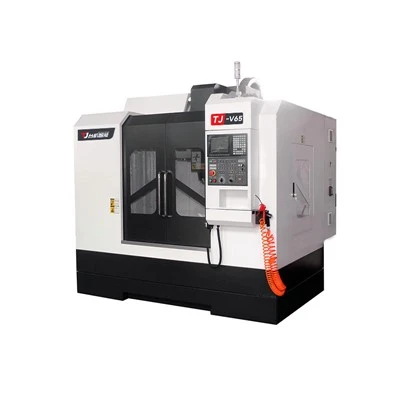
In conclusion, the structure of a horizontal machining center’s bed is a critical factor in determining its performance and functionality. A well-designed and constructed bed provides a stable and rigid platform for the machine components, reduces vibrations, maintains alignment, and ensures thermal stability. By understanding the design considerations, materials, and impact on machining performance, manufacturers can choose the right bed structure for their horizontal machining centers to achieve optimal results.
Five Axis Machining Center If you’re in the market for a horizontal machining center and want to learn more about the bed structure and its impact on performance, I encourage you to reach out to me. I’d be happy to discuss your specific requirements and help you find the right machine for your needs. Whether you’re a small job shop or a large manufacturing facility, we have the expertise and experience to provide you with a high-quality horizontal machining center that meets your expectations.
References
- "Machining Technology: An Introduction" by Peter H. Thompson
- "Manufacturing Engineering and Technology" by Serope Kalpakjian and Steven R. Schmid
- "Machine Tool Design: Metal Cutting Machines" by John A. Schey
Guangdong Taiji Intelligent Equipment Co., Ltd.
With abundant experience, we are one of the most professional horizontal machining centers manufacturers and suppliers in China. Please feel free to buy cheap horizontal machining centers for sale here from our factory. For price consultation, contact us.
Address: Room 107, Building 15, No. 911 Jian’an Road, Chang’an Town, Dongguan City, Guangdong Province
E-mail: sale@gdtaijicnc.com
WebSite: https://www.gdtaijicnc.com/
