Hey there! I’m a supplier in the spare parts business, and today I wanna chat about a hot topic: Can I use second – hand spare parts? Spare Parts

Now, let’s start with the basics. Second – hand spare parts are exactly what they sound like – parts that have been used before. As a spare parts supplier, I get a ton of questions from customers about whether they should go for new ones or these pre – owned bits.
One of the biggest reasons folks consider second – hand spare parts is the cost. Let’s face it, new parts can be pricey, especially for high – end or specialized equipment. Second – hand parts can offer significant savings. For smaller businesses or individuals on a tight budget, this can be a real game – changer. You can get the part you need without breaking the bank. I’ve had customers who were in a bind, needing to quickly fix a piece of machinery but couldn’t afford the brand – new part. They turned to second – hand, and it worked out just fine for them.
But it’s not all sunshine and rainbows when it comes to second – hand parts. The first thing that pops into most people’s minds is the quality. Since these parts have been used, there’s always a risk that they might be worn out or damaged. You don’t always know the history of the part. Maybe it was in a machine that had some major issues, and that could have affected its performance. As a supplier, I do my best to inspect the parts thoroughly before putting them up for sale. I check for signs of excessive wear, damage, and make sure they’re still in working condition. But even with my best efforts, there’s still a bit of a gamble.
Another concern is compatibility. Every machine is different, and sometimes finding a second – hand part that fits perfectly can be a challenge. New parts are usually designed to be a no – brainer when it comes to fitting your equipment. But with second – hand, you might have to do a bit more legwork. You’ve gotta double – check the measurements, the specifications, and make sure it’s gonna work with your setup. I’ve had customers come to me saying they bought a second – hand part elsewhere, thinking it would fit, but it ended up being the wrong one. That’s why I always encourage my customers to give me as much detail as possible about their equipment so I can help them find the right part.
The warranty situation is also a bit different with second – hand parts. Most new parts come with some kind of warranty, which gives you peace of mind. If something goes wrong, you can get it replaced or fixed without spending more money. Second – hand parts, on the other hand, usually have a much shorter or no warranty at all. It’s like you’re taking on a bit more risk. But hey, if you’re willing to take that chance for the cost savings, it might be worth it.
Now, there are some industries where second – hand parts are more commonly used and accepted. In the automotive world, for example, second – hand parts are a huge market. There are tons of salvage yards and suppliers like me who deal in used car parts. Mechanics often turn to these parts to fix cars for their customers, especially if the customer is looking for an affordable option. The same goes for some industrial equipment. If a factory has an older machine that’s no longer in production, finding a new part can be next to impossible. Second – hand parts can be a lifesaver in those situations.
On the flip side, there are industries where using second – hand parts is a big no – no. In the aerospace or medical fields, safety is the top priority. There’s just too much at stake to use a part that might have some hidden issues. These industries require parts that are brand new and meet strict quality standards.
As a supplier, I’ve seen the pros and cons of second – hand parts up close. I’ve had happy customers who saved money and got their equipment up and running again with a used part. And I’ve also had customers who had some problems and learned the hard way about the risks.
If you’re thinking about using second – hand spare parts, here are a few tips. First, do your research. Find a reputable supplier like me who has a good track record. Ask for details about the part’s history, how it was inspected, and any test results. Second, make sure you get all the compatibility information. Don’t assume that a part will fit just because it looks similar. And finally, be prepared for a bit of trial and error. Sometimes you might have to try a few different parts to find the one that works.
In conclusion, using second – hand spare parts can be a great option if you’re looking to save money and don’t mind taking on a bit of risk. But it’s not for everyone. If you’re in an industry where safety and reliability are crucial, you might want to stick with new parts.
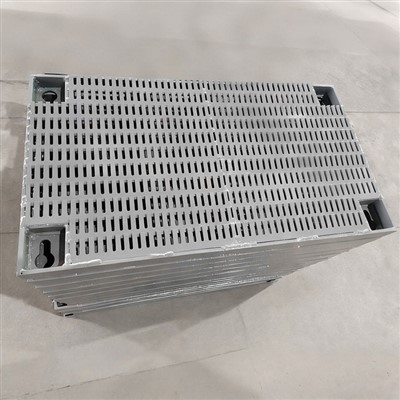
If you’re interested in finding out more about our second – hand spare parts or have any questions, don’t hesitate to reach out. We’re here to help you make the best decision for your needs. Whether you’re a small business owner, a mechanic, or just someone looking to fix their own equipment, we’ve got a wide range of parts to choose from.
Spare Parts References:
- Automotive News on the use of second – hand car parts.
- Industrial Machinery Magazines discussing the availability of second – hand parts for older equipment.
Xinxiang Fengda Machinery Co., Ltd.
We’re well-known as one of the leading spare parts manufacturers and suppliers in China, specialized in providing high quality customized service for global clients. We warmly welcome you to buy high-grade spare parts made in China here from our factory.
Address: No.16 Wangguanying Village, Kangcun Town, Huojia County, Xinxiang City, Henan Province, China
E-mail: xxfdjx@163.com
WebSite: https://www.flipflowscreen.com/
