Hey there! I’m a supplier of hydraulic guide oil, and today I wanna chat about the effects of chemical substances in hydraulic guide oil. It’s super important for folks who use or are thinking about using this kind of oil to understand what’s going on inside that bottle. Hydraulic Guide Oil
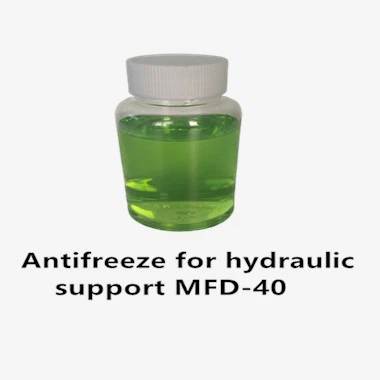
First off, let’s talk about the basics. Hydraulic guide oil is used in all sorts of machinery. It helps transfer power, lubricate moving parts, and keep things running smoothly. But what makes it work? Well, it’s the chemical substances in it.
One of the key chemical substances in hydraulic guide oil is antioxidants. These little guys are like the bodyguards of the oil. They prevent the oil from oxidizing, which is basically when the oil reacts with oxygen in the air. Oxidation can make the oil thicken, form sludge, and lose its ability to lubricate properly. Antioxidants slow down this process, so the oil lasts longer and does its job better. For example, if you’ve got a machine that runs for long hours, having antioxidants in the hydraulic guide oil means you won’t have to change the oil as often.
Another important chemical is anti – wear agents. As the name suggests, these agents protect the moving parts in the hydraulic system from wear and tear. When two metal surfaces rub against each other, they can cause damage over time. Anti – wear agents form a thin film on the metal surfaces, reducing friction and preventing direct contact between the metals. This not only extends the life of the machinery but also improves its efficiency. Imagine a hydraulic press that’s constantly squeezing and pressing. Without anti – wear agents in the oil, the parts would wear out quickly, leading to costly repairs and downtime.
Viscosity index improvers are also crucial. Viscosity is how thick or thin a fluid is. Hydraulic guide oil needs to have the right viscosity at different temperatures. In cold weather, the oil shouldn’t get too thick, or it won’t flow properly. In hot weather, it shouldn’t get too thin, or it won’t provide enough lubrication. Viscosity index improvers help the oil maintain a consistent viscosity over a wide range of temperatures. So, whether it’s freezing outside or sweltering hot, your hydraulic system will keep running smoothly.
Now, let’s talk about some of the negative effects that can happen if the chemical substances in the hydraulic guide oil aren’t right. If there are too few antioxidants, the oil will oxidize faster. This can lead to the formation of deposits in the hydraulic system. These deposits can clog filters, valves, and other components, causing the system to malfunction. It can also reduce the efficiency of the machinery and increase energy consumption.
If the anti – wear agents are not working effectively, the metal parts in the hydraulic system will start to wear out. This can lead to leaks, reduced performance, and eventually, complete failure of the system. And if the viscosity index improvers aren’t doing their job, the oil may not flow properly in extreme temperatures. In cold weather, the thick oil can cause the system to start up slowly or even fail to start at all. In hot weather, the thin oil may not provide enough protection, leading to increased wear and tear.
It’s also important to note that different applications may require different chemical compositions in the hydraulic guide oil. For example, a hydraulic system in a heavy – duty construction machine will have different requirements compared to a hydraulic system in a small industrial tool. The construction machine needs an oil that can handle high pressures and heavy loads, so it may require more powerful anti – wear agents and antioxidants. On the other hand, a small industrial tool may need an oil with a lower viscosity to ensure smooth operation.
As a supplier, I know how important it is to get the chemical composition of the hydraulic guide oil just right. That’s why we spend a lot of time researching and developing our products. We test our oils in different conditions to make sure they meet the highest standards. Whether you’re using our oil in a factory, a construction site, or any other application, you can be confident that it will perform well.
If you’re in the market for hydraulic guide oil, you need to consider the chemical substances in it. Make sure the oil has the right balance of antioxidants, anti – wear agents, and viscosity index improvers. You also need to think about the specific requirements of your machinery. If you’re not sure what kind of oil is best for your application, don’t hesitate to reach out to us. We’ve got a team of experts who can help you choose the right product.

In conclusion, the chemical substances in hydraulic guide oil play a crucial role in its performance. They can have both positive and negative effects on the hydraulic system. By understanding these effects, you can make an informed decision when choosing hydraulic guide oil. And if you’re looking for high – quality hydraulic guide oil, we’re here to help. We offer a range of products that are designed to meet the needs of different applications. So, if you’re interested in learning more or want to place an order, just get in touch with us. We’re always happy to chat and help you find the perfect solution for your hydraulic system.
Hydraulic Guide Oil References:
- "Hydraulic Fluids: Principles and Applications" by Paul A. Cooper
- "Lubrication Fundamentals" by Bernard W. Murphy
Shandong Sanjing Lubrication Technology Co.,Ltd
We’re professional hydraulic guide oil manufacturers and suppliers in China, specialized in providing high quality products and service. We warmly welcome you to buy customized hydraulic guide oil made in China here from our factory.
Address: 130 meters south of Yunlong Road, East of Cherry Blossom Road, Liangshan Economic Development Zone, Jining City, Shandong Province, China.
E-mail: 15069730766@163.com
WebSite: https://www.sanjinglube.com/
