If you’re reading this, odds are you’ve got a battery box you rely on for anything from powering your off-grid camper to keeping your workshop tools running or even setting up a temporary backup for your small business. And let’s be real—when you bought that box, your first thought wasn’t “how often do I need to mess with this later.” It was probably just “will this hold my power gear without dying mid-trip?” I get it. I’ve been in the battery box game for over a decade now, talking to customers every day who ask me the same question: “How often should I actually maintain this thing, anyway?” Battery Box
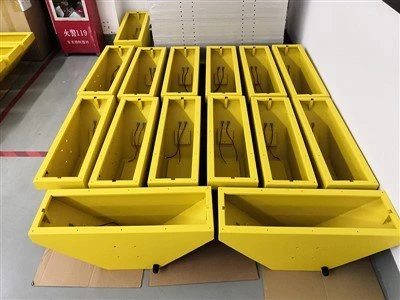
Let’s cut to the chase—there’s no one-size-fits-all answer, but that doesn’t mean it’s guesswork. Most people either neglect their battery boxes till they’re dead and useless (guilty, we’ve all done that) or over-maintain them so much they accidentally mess something up. As someone who sells these boxes, I’m not here to sell you extra maintenance services or scare you into buying new stuff. I’m here to break this down like I would to a friend who just bought their first battery box from my shop.
First off, let’s start with the basics: what even counts as a battery box? We’re not talking about the tiny coin cell holder in your remote—this is the bigger boxes, the ones that hold deep-cycle batteries for long-term use, right? The ones you charge and discharge regularly, not just leave plugged in all year. Your maintenance schedule depends entirely on two big things: what kind of battery is inside, and how you’re actually using the box. If you’re using it for a 2-week camping trip once a summer vs. running your construction crew’s tools every day, those are totally different scenarios.
Let’s split this into the two main use cases first, because that’s where most people go wrong.
Case 1: The “Occasional User” — you’ve got a battery box in your garage or trunk that you pull out for emergencies, camping trips, or holiday decorations. You charge it up once a quarter, use it for a few hours, then stick it back on the shelf. If that’s you, you don’t need to break out a multimeter every week. I’d say a monthly quick check is more than enough. What does that quick check entail? Just popping the lid open (it’s not rocket science—most of ours have easy-release clips, no tools needed) to make sure there’s no dust, dirt, or grime built up around the terminals. Dirt conducts electricity really badly, so even a thin layer can make your box charge slower or not hold a full charge. Wipe it down with a dry microfiber cloth—no water, no harsh chemicals, that’s how you mess up the seals. Also, peek at the terminals—make sure they’re not corroded (that white crumbly stuff is the worst). If you spot a tiny bit of corrosion, just rub it gently with a pencil eraser (the pink kind, not the kneaded stuff) and that’ll take it right off. No need for fancy terminal cleaner unless it’s really bad.
And for the occasional user, a deeper maintenance check every 3 months is perfect. That’s when you should check the charge level. If your battery box has a built-in LED screen (all the newer models we sell do), it’ll show you exactly how much juice is left. If it’s below 50%, plug it in and top it off till it’s full. Leaving a battery at a low charge for months is how you kill it dead—literally, it’s called sulfation, and it’s the #1 reason people have to replace their batteries early. Oh, and if you’re storing it for more than a month, make sure you disconnect the load (like the little ports you plug your devices into) because even when it’s not in use, it drains a tiny bit of power. That’s the secret to making your occasional-use battery box last 5+ years, not 1.
Case 2: The “Daily User” — this is the person running their off-grid tiny home, powering their food truck, or using their battery box on construction sites every single day. If that’s you, your maintenance schedule is a little more frequent, but still not as crazy as you might think. We see a lot of daily users panicking that they need to check their terminals every week, but no—twice a month is enough. Every two weeks, do the same quick dust and corrosion check on the terminals, but also make sure all the cables are tight. Vibration from moving a battery box on a truck or a jobsite can loosen those little bolts over time, and loose cables mean lost power or even overheating, which is dangerous. We actually include a tiny Allen wrench with all our heavy-duty boxes just for that, so you don’t have to go hunting for one.
For the daily user, a deeper check once a month is non-negotiable. That means checking the water levels if you have a lead-acid battery (wait, hold on—let’s clarify battery types real quick, because this is where confusion hits). If your box has a lithium-ion battery (which 90% of our customers buy now for daily use), you don’t have to mess with water levels at all. Lithium is sealed, so no adding water, no checking fluids. That’s a huge plus for daily users—less time maintenance, more time using power. But if you still have an old lead-acid deep-cycle battery, then yes, you need to check the water cells monthly. Just don’t overfill them—leave about a quarter inch of space at the top, and use distilled water only. Tap water has minerals that mess up the battery.
Now, let’s talk about the things that make maintenance way easier, because I know no one wants to do more work than necessary. The biggest mistake I see people make is using the wrong tools for the job. We sell all our battery boxes with a basic maintenance kit—microfiber cloth, eraser for terminals, extra cable ties, even a little bottle of terminal protector spray. It’s like $10, but it saves you so much time and headache. And for daily users, upgrading to a lithium-ion battery is a game-changer—no water checks, no corrosion issues (well, way less), and they hold their charge way longer when not in use. I have a customer who uses our lithium box to power his ice cream food truck 6 days a week, and he only does a full maintenance check once a month. That’s it. He said he used to spend 2 hours a week checking his old lead-acid box before he switched, so it’s worth the upgrade.
Wait, but what about when you’re not using the box at all for a long time? Like, if you’re a snowbird and leave your camper for 6 months over the winter. That’s a special case, and people get this wrong all the time. If you’re storing your battery box for more than 90 days, fully charge it first, then disconnect it from all loads and the charger (if it’s plugged in). Store it in a cool, dry place—basement, garage, not an attic that hits 100 degrees in the summer or a shed that freezes. Extreme temperatures kill batteries way faster than not checking them. And every 60 days, when you’re supposed to do a maintenance check anyway, just plug it in for a few hours to top the charge back up to full. That way, when you come back in the spring, your battery is as good as new, not dead. I’ve had customers bring their boxes in after 8 months of storage because they forgot to top up the charge, and half the time the battery is ruined. Don’t be that guy.
Now, let’s bust some myths, because I hear these every single day. Myth #1: “I need to discharge my battery completely every month to keep it healthy.” No, that’s only for very old lead-acid batteries, and even then, only once every 3-6 months. Lithium batteries hate being fully discharged—they last way longer if you top them up when they get to 20-30% charge. Myth #2: “If I don’t do a full maintenance check every week, my battery will blow up.” That’s just fear-mongering. Our boxes have built-in BMS (battery management systems) that shut off power if there’s an issue—overcharging, overheating, too much discharge. So as long as you’re not hacking the box apart or using it way beyond its capacity, you’re safe. Myth #3: “More maintenance = longer battery life.” No, over-maintaining can actually damage things—like prying open a sealed lithium box (don’t ever do that) or over-tightening terminals till you strip the threads. Less is more here.
Let me tell you a quick story that sums this up. Last year, a customer came into our shop panicking, saying his $2,000 battery box was dead after 2 years. He told me he’d been checking the terminals every week, using steel wool to clean them, and over-tightening the bolts so hard he stripped three of them. Turns out, the terminals were fine—he’d stripped the connection point on the battery itself, and that’s why it wasn’t holding charge. All that extra maintenance he thought would help actually broke it. I fixed the stripped terminals for him, told him to only check once a month, and he’s had no issues since. That’s the thing—you don’t need to overdo it. Stick to the schedule based on your use, keep it simple, and you’re good.
So to wrap this up, let’s make it super clear, no fine print:
- If you use your battery box occasionally (camping, emergencies, once a quarter): Monthly quick check, every 3 months deep check.
- If you use it daily (jobsite, food truck, tiny home): Bi-weekly quick check, monthly deep check.
- If you store it long-term (over 30 days): Top up charge every 60 days, keep it cool and dry.
And the biggest takeaway? If you bought your box from a reputable supplier (shameless plug, that’s us), it’s built to last. You don’t need to be a tech genius, you don’t need fancy equipment, just 10 minutes a month max to keep it running.

If you’re in the market for a new battery box, or you have an old one that’s giving you issues and you want to make sure you’re maintaining it right, hit us up. We don’t do pushy sales—we just want to help you get the most out of your power gear, because we’ve been in this game long enough to know a well-maintained battery box is the difference between a smooth trip and a total disaster. Whether you need to upgrade to lithium, grab a basic maintenance kit, or just ask a quick question, we’re here to help.
Marker Signs References:
- Battery University. (2023). Deep Cycle Battery Maintenance Best Practices. Cadex Electronics Inc.
- National Renewable Energy Laboratory. (2022). Off-Grid Battery System Maintenance Guidelines. U.S. Department of Energy.
- International Electrotechnical Commission. (2021). Safety Requirements for Portable Battery Boxes and Systems. IEC 62933-5-1.
- Consumer Reports. (2023). How to Maintain Rechargeable Batteries for Longevity. Consumers Union of U.S., Inc.
Wuhu Qiahao Metal Products Co., Ltd.
As one of the most professional battery box manufacturers and suppliers in China, we warmly welcome you to buy premium battery box made in China here from our factory. All customized products are with high quality and competitive price. Contact us for pricelist.
Address: Building 5, No. 3 Yongtai Road, Wanzhi District, Wuhu City, Anhui Province, China
E-mail: 290418907@qq.com
WebSite: https://www.qiahaometal.com/
