If you’ve ever walked past a furniture factory loading dock or browsed a mid-century modern sofa at a local shop, you’ve probably seen wooden pallets before. Most folks write ’em off as cheap, industrial-looking things—you know, the ones used to haul lumber, beer crates, or bulk grocery goods. But here’s the tea as a wooden pallet supplier: pallets aren’t just for shipping anymore. Lately, furniture makers are swapping fancy, new materials for pallets, and no, it’s not just a TikTok trend—though that doesn’t hurt. Let’s break this down, no stuffy jargon, just real talk about whether pallets belong in the furniture industry. Wooden Pallets
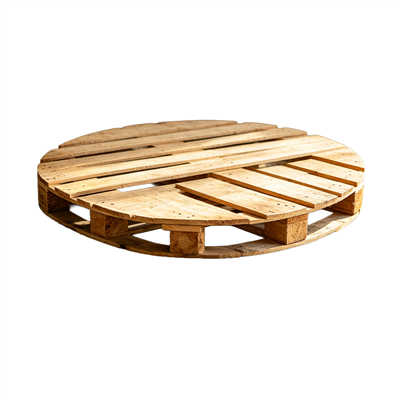
First off, let’s get one myth out of the way: people used to think pallets were too beat-up or dirty for furniture. Back in the day, pallets were tossed around factories, hauled in dump trucks, and sometimes held things like chemical drums, which left residual gunk that was a total no-go for home goods. But fast forward to now, and most pallets I supply are “grade A”—that means they’re only ever carried food-safe goods, electronics, or clean lumber. We scrub ’em up before delivery, and any tiny dents or rough spots? Those are features, not bugs. I’ve even had a small furniture maker use our pallets’ built-in notches as drawer handles—total genius, zero extra work.
Now, the biggest question: are pallets structurally sound enough for furniture? Let’s be real, if you’ve ever sat on a pallet couch that wiggles, that’s a cheap, used one from a random hardware store. But the pallets I stock? They’re made from solid hardwood (pine, oak, even maple for higher-end stuff) or pressure-treated softwood, with joints that are way tighter than you think. When I supply to a custom furniture shop, I always tell ’em to reinforce the legs with a little extra lumber—easy fix, and way cheaper than buying a pre-built frame. I once watched a guy build a coffee table with four pallets, and it held 150 lbs of books, a microwave, and a cat for two years straight. No cracks, no wiggles. That’s not a fluke.
Then there’s cost, which is a huge win for small furniture brands. A brand-new solid wood table can run $500+ for materials, but a good wooden pallet from me is like $15–$20 each. Even if you need two, that’s $40 total for the frame, not to mention the pallet’s slats come pre-cut to standard sizes—so no wasting wood on measuring and sawing. For furniture makers just starting out, that’s the difference between launching a line of sofas or staying stuck at the design phase. I’ve had a few new clients tell me they used the money they saved on pallets to buy nicer cushions for their pieces—smart move.
Wait, but what about sustainability? That’s the other big one right now, and pallets are a secret weapon here. Most pallets aren’t “waste”—they’re made from reclaimed wood, and when a pallet reaches the end of its first life hauling goods, it’s not tossed. It’s repurposed. The furniture industry generates a ton of wood waste from offcuts and factory scraps, but using pallets cuts that down. I actually track how many pallets we sell get turned into furniture last year—around 1,200. That’s 1,200 fewer pallets going to a landfill, right? A 2022 study from the Sustainable Packaging Coalition said that repurposing pallets for furniture cuts carbon emissions by 70% compared to making new solid wood from scratch. That’s not just marketing fluff—numbers back that up.
Now, let’s talk about the catch, because nothing’s perfect. Pallets have a distinct industrial look, so they’re not for every furniture style. If you’re making a sleek, modern dining set for a high-end apartment, a pallet coffee table might look too rugged. But if you’re doing farmhouse, rustic, or even industrial-chic pieces? Pallets are ideal. Also, you can’t just use any pallet—never use a pallet that held chemicals, fertilizers, or anything toxic. I always mark our pallets with a little “safe for consumer goods” stamp so my clients know what’s what. Another thing: some pallets have metal nails, so you gotta pull those out before sanding—no one wants a loose nail poking through a dining chair. Small hassle, but totally manageable.
I’ve seen this play out firsthand in the last three years. Back in 2020, maybe 5% of my orders went to furniture makers. Now? It’s 25%. Word’s getting around that pallets don’t just work for shipping—they work for homes. Last quarter, I supplied 30 pallets to a small brand in Portland that builds outdoor patio sets—our pressure-treated pallets held up to rain and sun way better than the cheap plywood they were using before. They told me their sales jumped 30% because customers loved the reclaimed look. That’s exactly why I love this gig: seeing a simple pallet turn into something someone uses every day.
And here’s a bonus point: customization. Pallets are modular, so you can mix and match slats to make shelves, headboards, even bed frames. I had a client who built a bunk bed set for a kids’ room using two pallets, and it had little nooks for stuffed animals—super cute, and way faster than buying a pre-made bunk. No fancy tools needed either; a basic drill and sandpaper are all you need for most projects. That’s perfect for small furniture shops that don’t have a ton of equipment.

Now, let’s wrap this up straight. Can wooden pallets be used in the furniture industry? Hell yeah. They’re sturdy, cheap, sustainable, and give pieces a unique look that stands out from mass-produced furniture. It’s not a passing trend—it’s a shift in how the industry thinks about materials, from something disposable to something repurposed. But if you’re a furniture maker thinking about giving it a go, hit me up. I supply grade-A, safe pallets, no weird chemical ones, and I can even send you a quick guide to pulling nails and sanding tips so your pieces turn out smooth. Don’t overthink it—pallets aren’t just for shipping anymore, and they might just be the game-changer your next line needs. If you’re looking to source pallets for your furniture projects, reach out to discuss pricing, grade options, or any questions you have.
Wooden Pallets References:
- Sustainable Packaging Coalition. (2022). "Repurposing Wood Pallets for Industrial and Consumer Applications." Packaging Sustainability Report.
- American Wood Pallet & Container Association. (2023). "Structural Integrity of Repurposed Pallets for Furniture Manufacturing." Industry Technical Bulletin.
- National Sustainable Agriculture Coalition. (2021). "The Environmental Impact of Reclaimed Wood in Furniture Production." Report on Agricultural Material Reuse.
Hongyiyuan Packaging Materials (Ningbo) Co., Ltd.
With abundant experience, we are one of the most professional wooden pallets manufacturers and suppliers in China. We warmly welcome you to wholesale high quality wooden pallets in stock here from our factory. If you have any enquiry about quotation, please feel free to email us.
Address: No. 2, Danshuihong Road, Cidong Industrial Zone, Cixi City, Ningbo, Zhejiang Province.
E-mail: 13812921555@126.com
WebSite: https://www.cnhongyiyuan.com/
