What’s up, quartz lovers and outdoor project pros? If you’ve ever found yourself scrolling through countertop materials for a backyard patio, outdoor kitchen, or pool deck and thought, “Wait, regular quartz is for inside—can I use that outside too?” you’re not alone. As an outdoor quartz supplier, I get this question every single day, and for good reason. Outdoor quartz isn’t just a “regular quartz with a different label”—it’s a whole different animal, built specifically to stand up to whatever Mother Nature (and daily backyard chaos) throws at it. Today, I’m breaking down the key features that make outdoor quartz the go-to pick for everything from fire pit surrounds to garden path coverings, no fancy jargon required. Outdoor Quartz

First off, let’s get one thing straight: regular indoor quartz is cool for kitchen countertops, but it’s basically a greenhouse plant compared to outdoor quartz. Indoor quartz is made with a resin binder that’s great for low-traffic, temperature-controlled kitchens, but leave it out in direct sunlight all summer or freeze it in a winter storm, and that resin starts to break down. Cracks, discoloration, even that smooth surface can get chalky or rough over time—total buzzkill for a backyard space you spent weeks designing. Outdoor quartz fixes that by swapping out the standard resin for a cross-linked, weather-resistant polymer that’s way more durable. That polymer doesn’t just stand up to UV rays, either—it resists temperature swings from -40°F all the way up to 250°F, which is basically every extreme our customers across the U.S. deal with, from Minnesota winters to Arizona summers. No wonder so many landscape architects and homeowners are ditching natural stone for this stuff.
Next, stain resistance. Let’s be real—outdoor spaces get messy. We’re talking grill grease that drips during a summer cookout, wine spills at a pool party, bird droppings, even mud tracked in from kids or pets. Indoor quartz is stain-resistant too, but outdoor quartz takes it to another level because it’s non-porous. Wait, what does non-porous mean, exactly? It means there are zero tiny holes or gaps in the surface where gunk can seep in and get stuck. Natural stone like granite or slate is porous, so if you spill red wine on it, you’ve got to scrub it fast or it leaves a permanent stain. Outdoor quartz? Just grab a hose or a damp cloth and wipe it down—most small messes vanish in seconds. Even tough stuff like oil-based grill sauce? A little mild soap and a soft brush does the trick. That’s why my clients who build outdoor kitchens tell me this is the best investment they made—no more stressing about every little spill ruining their space.
Another big feature: low maintenance. Let’s be honest, nobody wants to spend their weekends scrubbing or sealing outdoor surfaces. Natural stone requires regular sealing (usually every 1-2 years) to keep it from staining or cracking, and concrete gets stained, pitted, or mossy if you don’t pressure wash it often. Outdoor quartz? No sealing required. At all. That’s a huge win for busy homeowners. You don’t have to schedule a professional sealant application every other year, and you don’t have to deal with mold or mildew growing in the surface (thanks to that non-porous build, too). It’s also scratch-resistant—you can set a hot grill pan right down on it, drag a patio chair across it, or even drop a heavy pot, and it barely gets a mark. Compare that to indoor quartz, which can scratch if you drag a cutting board across it—outdoor is built way tougher for heavy use.
Wait, but what about color retention? I know a lot of people worry that outdoor materials fade in the sun. My grandma has a concrete patio that’s almost as old as her house, and it’s turned from a light gray to a weird, washed-out brown over the years. Even some premium materials fade if they don’t have UV protection. Outdoor quartz solves this by using stabilized pigments throughout the entire material, not just a top layer. Regular outdoor materials often have a thin surface coat of color, so if it scratches, you get a lighter patch underneath. With outdoor quartz, every particle, every bit of pigment, is mixed in from the start. So if you do get a small scratch, it matches the rest of the surface perfectly. Plus, the UV stabilizers in the formula mean it doesn’t yellow or fade, even after 10+ years in direct sunlight. I’ve got a client in Florida who installed outdoor quartz around their pool 5 years ago, and it looks exactly like the day they put it in. No sun damage, no discoloration—total game-changer.
One more thing that’s super important for outdoor use: freeze-thaw resistance. If you live anywhere that temperatures drop below freezing in winter, you know water can seep into small cracks, expand, and make everything worse. Natural stone, concrete, even some indoor quartz can crack when water freezes inside them. Outdoor quartz is engineered to have a very low absorption rate—like, less than 0.1% water absorption. That means barely any water gets into the material at all, so when winter hits, there’s no water inside to expand and cause cracks. I’ve sold outdoor quartz to customers in Canada, Colorado, and New England, and almost none of them have reported cracking after their first harsh winter. That’s a way bigger deal than people realize—cracked outdoor stone is not just an eyesore, it can be a safety hazard for kids and pets.
Now, let’s talk about why people mix up indoor and outdoor quartz sometimes. A lot of brands just repackage indoor quartz as “outdoor” to sell more, but they skip the weather-resistant polymer and UV stabilizers. That’s a mistake. I always tell customers to look for a label that says “for exterior use” specifically, not just “quartz.” The cheap stuff might be cheaper upfront, but it’ll fade, crack, or get stained within a couple years, and you’ll end up replacing it sooner. Outdoor quartz is priced a bit higher, but it’s a long-term investment—most of our customers say it pays for itself in 5-7 years because of low maintenance and no early replacement costs.
Also, versatility. Outdoor quartz isn’t just for big patios. You can use it for small projects too: outdoor bar tops, fire pit surrounds, garden edging, even stepping stones. It comes in all kinds of colors and patterns—from neutral grays and beiges to bold blues and warm browns, so you can match any backyard design style, from modern minimalist to cozy rustic. My team works with a lot of designers who love that it’s lightweight too, easier to transport and install than heavy natural stone, which cuts down on labor costs.
Wait, what about cleaning products? Some people worry that harsh chemicals will damage outdoor surfaces, but outdoor quartz is resistant to most common cleaners—bleach, ammonia, degreasers, even pool chemicals. You don’t have to worry about splashing pool chlorine on it or using a strong cleaner to get rid of tough stains; it won’t etch or discolor. Just make sure to rinse well after using any cleaner, and you’re good to go. The only thing I’d avoid is abrasive scrubbers like steel wool, which can scratch the surface if you’re not careful—stick to soft cloths or nylon brushes.
I know a lot of you are probably thinking, “This sounds perfect, but is it worth it?” Let me share a quick example: a customer last year was deciding between outdoor quartz and natural granite for their backyard kitchen. Granite was $200 less per square foot upfront, but they had to pay $300 for sealing every 2 years, and after 3 years, their granite countertop had a permanent wine stain and a crack from a freeze thaw. They ended up going with our outdoor quartz, and 18 months later, they told me it still looked brand new—no stains, no cracks, no sealant costs. Total, they saved around $1,500 compared to what they would have spent on granite over the same period. That’s the kind of value we care about here.
So, to wrap up the key features, let’s keep it simple: outdoor quartz is weather-resistant (stands up to sun, cold, temperature swings), non-porous (stain-resistant, easy to clean), low-maintenance (no sealing, scratch-resistant), color-fast (doesn’t fade or yellow), freeze-thaw safe (no cracking in cold climates), and versatile for tons of outdoor projects. It’s not just a material—it’s built to work as hard as your outdoor space, year after year.
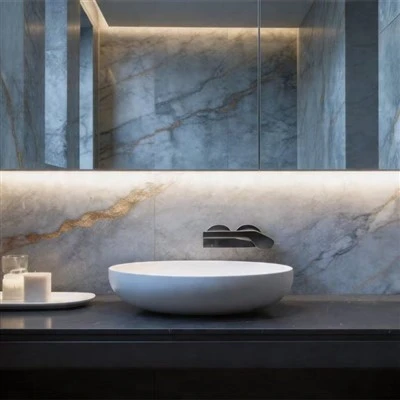
If you’re planning a backyard project, building an outdoor kitchen, revamping your patio, or just want to swap out that old, stained concrete, we’ve got the outdoor quartz options to fit your style and budget. We work with homeowners, contractors, and landscape designers alike, so no project is too big or too small. Hit us up to get a quote, ask questions about colors or installation, or even just to see samples—we’re here to help make your outdoor space everything you want it to be.
Bathroom Quartz Countertop If you want to learn more about outdoor material performance or care tips, check out these references: Outdoor Building Materials Association Exterior Surface Guidelines, National Association of Home Builders’ Durable Outdoor Surfaces Report, and the Quartz Manufacturing Association’s Exterior Product Specifications.
Wuhu Junde New Material Technology Co., Ltd.
As one of the most experienced outdoor quartz manufacturers and suppliers in China since 1998, we warmly welcome you to wholesale top-quality outdoor quartz made in China here from our factory. If you have any enquiry about cooperation, please feel free to email us.
Address: No.8 Yulin Road, Xinwu Economic Development Zone, Anhui Province, China
E-mail: 1127319898@qq.com
WebSite: https://www.jundequartz.com/
